Understanding Low-Voltage Three-Electric Systems: Motors, Controllers, and Battery Packs
Shenzhen Jinhaixin Holdings Co., Ltd
2026-08-22
Concept Explanation
Shenzhen Jinhaixin Holdings explains the components and coordination of a low-voltage three-electric system, including brushless hub motors, drive controllers, and energy battery packs for B2B applications.
Integrated low-voltage electric drive architecture
A low-voltage three-electric system brings together three core elements of an electric mobility or equipment platform: a brushless hub motor, a drive controller, and an energy battery pack. Rather than operating as isolated components, these elements are selected and coordinated as a system to support the intended vehicle or equipment application.
For B2B buyers, understanding the relationship between the motor, controller, and battery pack helps create a clearer basis for product selection, customization discussions, manufacturing planning, and system integration.
The three core components
The term “three-electric system” commonly describes the coordinated motor, electronic control, and battery functions that enable electric power delivery. Each component has a distinct role, while system performance depends on how well their specifications and operating requirements are aligned.
Brushless Hub Motor
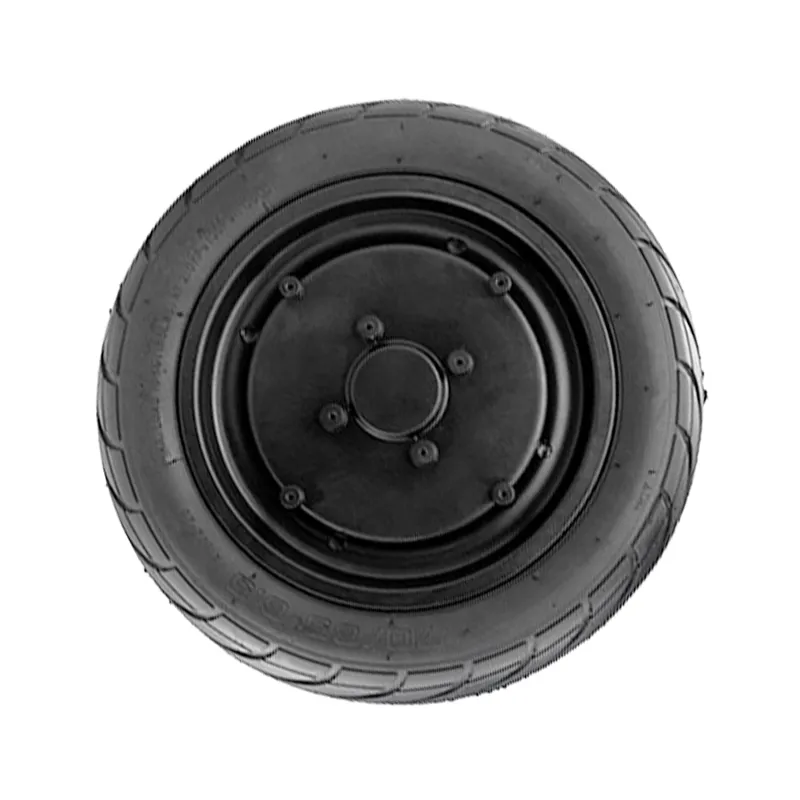
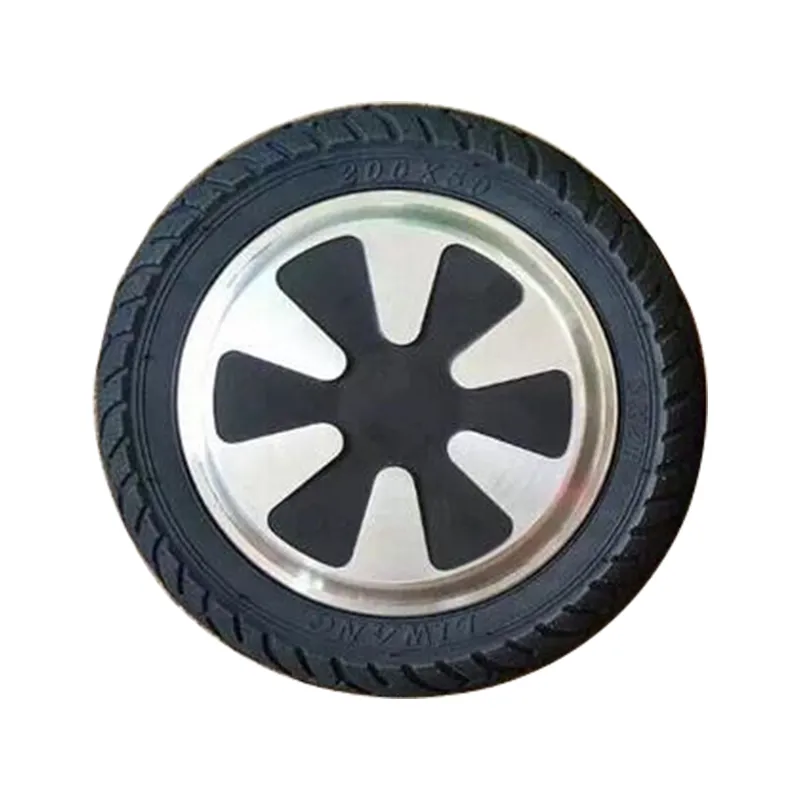
The brushless hub motor converts electrical energy into wheel-driving force. As the motor is integrated with the wheel structure, it can support compact electric drive layouts for applicable low-voltage products. Motor selection should reflect the target use case, vehicle or equipment configuration, and expected operating conditions.
Drive Controller
The drive controller manages the delivery of electrical power from the battery pack to the motor. It interprets operating inputs and coordinates motor operation within the designed electrical system. Its compatibility with the motor and battery configuration is an important consideration in integrated system design.
Energy Battery Pack
The energy battery pack supplies the electrical energy used by the system. Battery-pack planning involves more than physical installation: it should be considered alongside the motor and controller requirements, available space, charging approach, and the needs of the end application.
How the system works together
In a low-voltage three-electric system, the battery pack provides energy, the drive controller regulates and directs that energy based on operating inputs, and the brushless hub motor produces the mechanical output. This coordinated path—from stored energy to controlled electrical output to wheel drive—is the foundation of the system.
- Energy supply: The battery pack supplies electrical power to the drive system.
- Control and regulation: The controller manages the electrical interaction between the battery pack and motor.
- Drive output: The brushless hub motor converts the controlled electrical input into motion.
System design considerations for B2B projects
A suitable three-electric configuration should be evaluated at the system level. B2B purchasing and engineering teams can use the following areas to structure early-stage product and customization discussions.
| Consideration |
Why it matters |
| Application requirements |
The intended vehicle or equipment use provides the starting point for defining the overall system direction. |
| Motor-controller compatibility |
The controller and brushless hub motor should be considered as a coordinated drive pair rather than selected independently. |
| Battery-pack integration |
Battery-pack planning should account for electrical configuration, installation space, and the project’s operational needs. |
| Customization scope |
Clear technical and application requirements help define feasible customization of motors, controllers, and battery packs. |
| Production coordination |
Coordinated component planning supports a more consistent path from design requirements to supply and production. |
A practical approach to integrated component selection
1
Define the application
Clarify the product type, intended operating environment, installation constraints, and project requirements.
2
Align the three components
Review the brushless hub motor, drive controller, and energy battery pack as one connected system.
3
Confirm customization details
Establish the requirements that need to be addressed through product configuration and production planning.
Low-voltage three-electric solutions from Shenzhen Jinhaixin Holdings
Shenzhen Jinhaixin Holdings Co., Ltd. focuses on the design, research and development, customization, production, and sale of low-voltage three-electric system products. Its product offering includes brushless hub motors, drive controllers, and energy battery packs for B2B customers seeking coordinated electric-drive components and personalized product support.
A well-defined low-voltage three-electric system begins with clear application requirements and a coordinated view of the motor, controller, and battery pack.


.png?x-oss-process=image/resize,h_100,m_lfit/format,webp)
.png?x-oss-process=image/resize,h_100,m_lfit/format,webp)

.png?x-oss-process=image/resize,h_100,m_lfit/format,webp)






.png?x-oss-process=image/resize,m_fill,h_800,w_800/format,webp)



