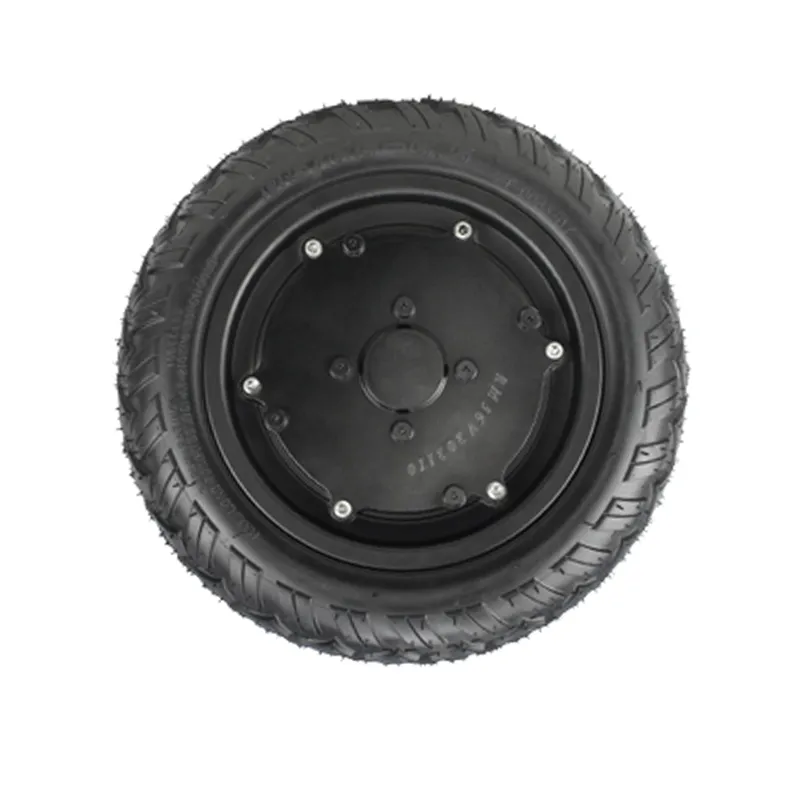
Integrated low-voltage electric powertrain selection
In B2B sourcing, a brushless hub motor, drive controller, and energy battery pack should not be evaluated as three isolated components. Their electrical and operational relationship determines how a low-voltage three-electric system responds to load, speed demand, battery condition, and application-specific requirements. A system can encounter instability when individual specifications appear suitable but the components are not matched as an integrated solution.
Low-voltage three-electric system matching refers to the coordinated selection of the motor, controller, and battery pack. The motor creates the mechanical output, the controller manages power delivery and operating behavior, and the battery pack supplies the available electrical energy. Each component affects the operating conditions of the others.
For procurement teams, the key question is not simply whether a motor, controller, or battery pack meets an individual specification. It is whether the selected combination supports the intended vehicle or equipment application under its expected operating conditions. This approach helps create a clearer basis for B2B system selection, technical communication, and customization planning.
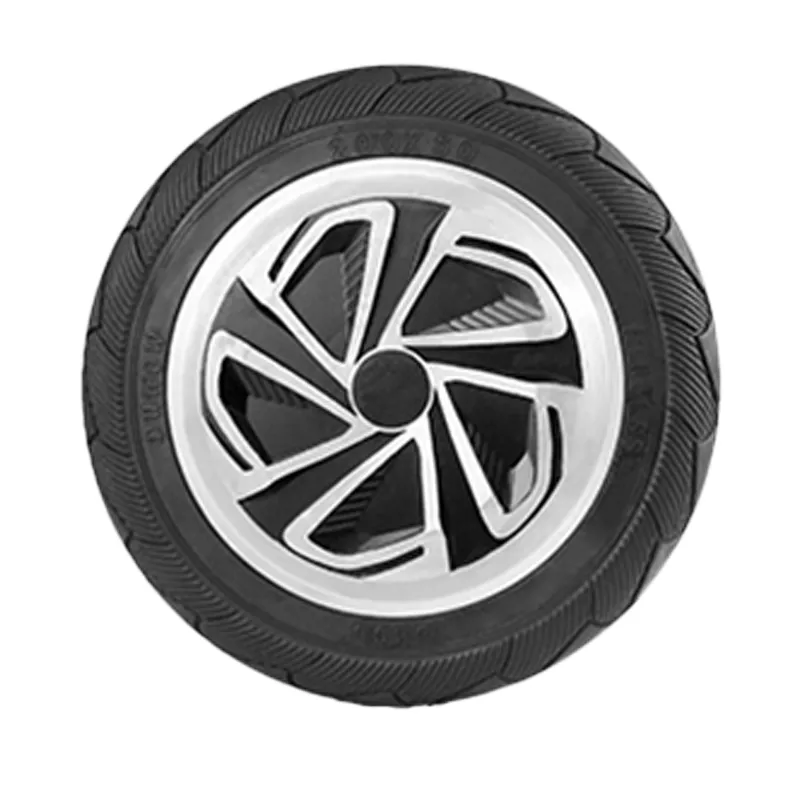
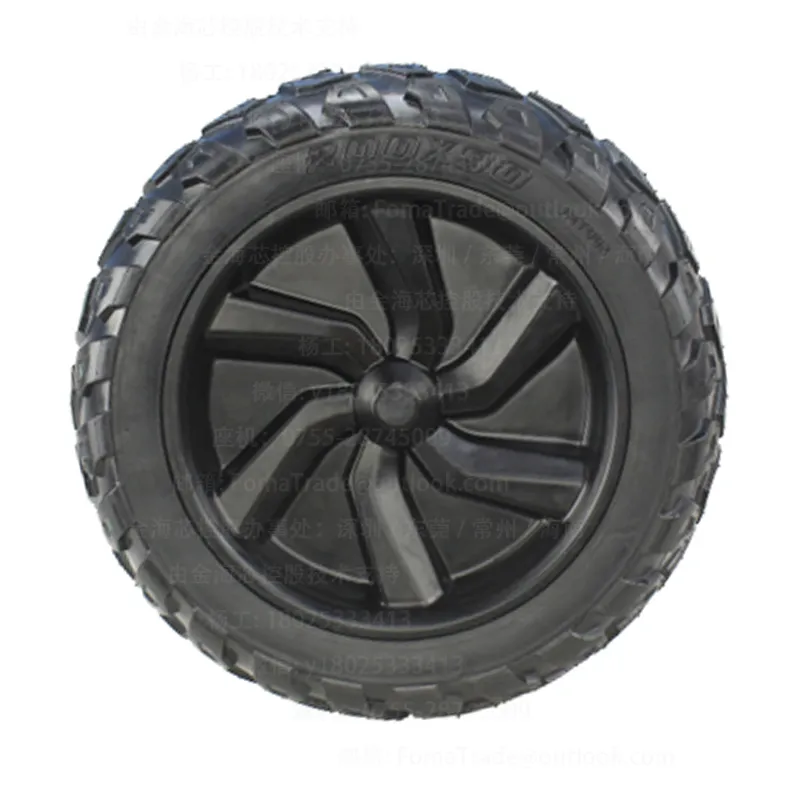
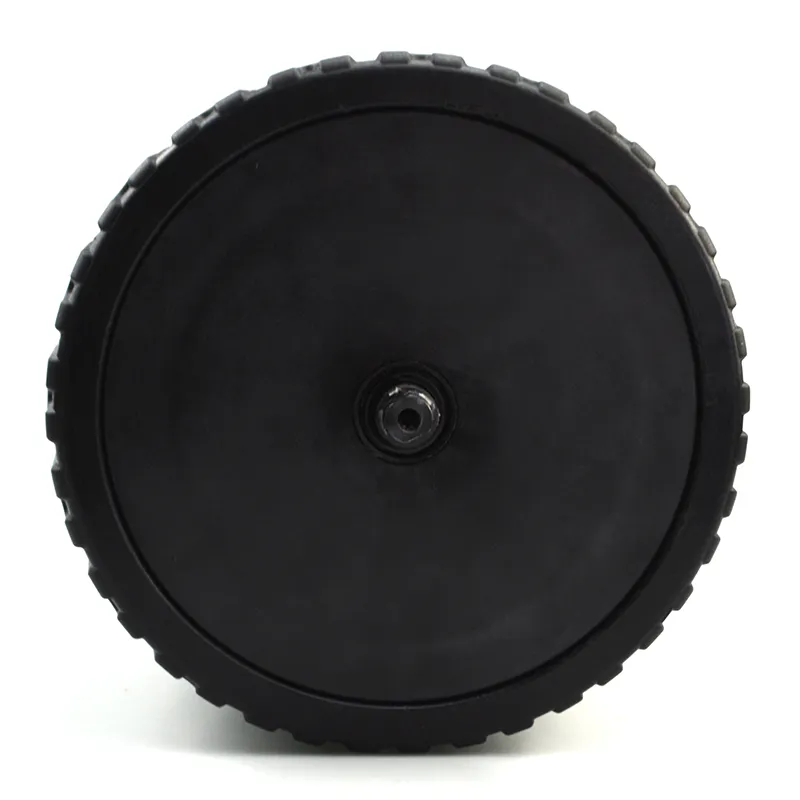
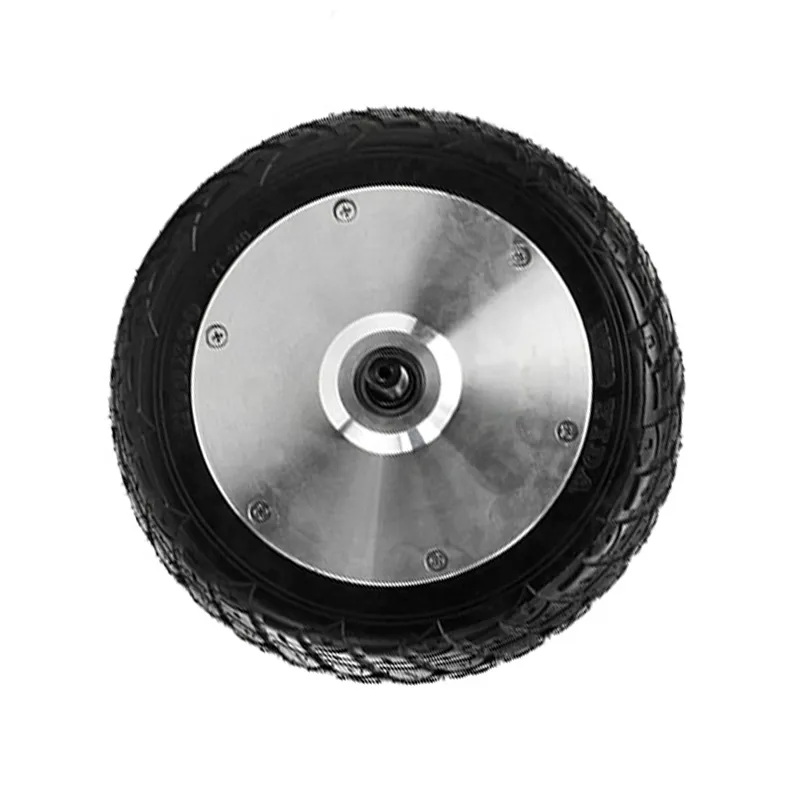
The motor must be considered in relation to the required torque, speed range, wheel or mechanical configuration, expected load, and operating environment. These factors influence the electrical demand placed on the controller and battery pack.
The controller connects battery power to motor operation. Its operating range, current-handling capability, control logic, connection arrangement, and protection strategy need to align with both the motor and the power source.
The battery pack must provide a suitable voltage platform and power supply capability for the controller and motor combination. Capacity, discharge requirements, installation space, connection needs, and intended duty cycle should all be reviewed together.
Matching problems often arise when component sourcing is handled primarily by separate product categories, price points, or headline parameters. This can leave important interaction factors unreviewed until later in the project. The following areas are commonly relevant when assessing a low-voltage electric powertrain.
| Selection area | Why it requires coordinated review | Practical B2B consideration |
|---|---|---|
| Voltage alignment | The battery pack and controller must operate within a compatible electrical range, while the motor configuration must suit the selected system platform. | Confirm the intended system voltage early, before finalizing individual components. |
| Power and current demand | Motor load and controller output affect the demand placed on the battery pack during operation. | Review typical use, load conditions, and the expected operating pattern rather than relying on one parameter alone. |
| Control behavior | Controller settings and motor characteristics influence acceleration response, speed behavior, and overall drivability. | Define the application’s desired operating characteristics and control requirements. |
| Mechanical and interface fit | Dimensions, mounting points, wiring, connectors, and layout can affect installation and integration work. | Share installation constraints and interface expectations during the selection stage. |
| Application conditions | Load changes, terrain, operating duration, and environmental conditions can alter the demands on the entire system. | Use the actual application profile as the reference for system matching and customization. |
A mismatch does not necessarily come from a defective part. It may result from an incomplete assessment of how the selected parts work together. Depending on the application, inadequate motor, controller, and battery compatibility can contribute to:
An integrated evaluation can help buyers turn application requirements into a more coherent low-voltage three-electric system specification.
Customization is more effective when it begins with the relationship among the three core elements. A request involving motor configuration may affect controller selection and battery-pack requirements; a battery installation constraint may influence wiring, connector, or controller placement. Reviewing these links early supports more practical technical discussion.
“A low-voltage three-electric system is best assessed as one operating unit: the brushless hub motor provides output, the drive controller manages delivery, and the energy battery pack supplies the system.”
Shenzhen Jinhaixin Holdings Co., Ltd. focuses on the design, development, customization, production, and supply of low-voltage three-electric system products, including brushless hub motors, drive controllers, and energy battery packs. For B2B customers, this product scope supports a more connected discussion of component compatibility and application requirements.
By considering the motor, controller, and battery pack as an integrated low-voltage electric powertrain, Jinhaixin Holdings helps customers frame selection decisions around operating stability, interface coordination, and practical customization needs. Clear application information and coordinated technical requirements provide the most useful starting point for system matching.
 Shenzhen Jinhaixin Holdings Co., Ltd
drive controller
selection guide
performance matching
customization needs
Shenzhen Jinhaixin Holdings
motor controller
brushless hub motor
control logic
operating protection
Shenzhen Jinhaixin Holdings
camper motor installation
dual-threaded axle structure
115mm pitch
camper trailer parts
Shenzhen Jinhaixin Holdings
low-voltage three-electric system customization
B2B implementation process
sample validation
mass-production introduction
Shenzhen Jinhaixin Holdings
low-voltage three-electric system
brushless hub motor
drive controller
energy battery pack
Shenzhen Jinhaixin Holdings Co., Ltd
drive controller
selection guide
performance matching
customization needs
Shenzhen Jinhaixin Holdings
motor controller
brushless hub motor
control logic
operating protection
Shenzhen Jinhaixin Holdings
camper motor installation
dual-threaded axle structure
115mm pitch
camper trailer parts
Shenzhen Jinhaixin Holdings
low-voltage three-electric system customization
B2B implementation process
sample validation
mass-production introduction
Shenzhen Jinhaixin Holdings
low-voltage three-electric system
brushless hub motor
drive controller
energy battery pack



.png?x-oss-process=image/resize,h_100,m_lfit/format,webp)
.png?x-oss-process=image/resize,h_100,m_lfit/format,webp)

.png?x-oss-process=image/resize,h_100,m_lfit/format,webp)
.png?x-oss-process=image/resize,h_800,m_lfit/format,webp)