
Custom low-voltage three-electric systems require more than selecting individual components. For B2B projects, the hub motor, drive controller, and battery pack need to be considered as a coordinated system around the intended vehicle or equipment, operating conditions, mechanical interfaces, and delivery requirements.
Shenzhen Jinhaixin Holdings Co., Ltd supports businesses that need a structured path from initial requirement definition through technical alignment, sample validation, and mass-production introduction. This page outlines the practical stages used to clarify project needs and reduce uncertainty before production is introduced.
In a low-voltage electric drive application, the “three-electric” system refers to the key powertrain elements that work together to provide electric propulsion and energy use: the motor, controller, and battery pack. A custom project evaluates these elements as connected parts of one application rather than as isolated products.
A clear implementation process helps project teams establish a shared technical basis before samples and production activities begin. The sequence below is designed to support coordinated communication between the buyer’s project team and the system supplier.
Start with the intended application and usage context. Relevant information may include the equipment type, operating environment, target configuration, installation space, interface expectations, and project schedule. Early definition creates a more reliable basis for subsequent technical discussions.
The motor, controller, and battery pack requirements are reviewed together to establish compatible technical directions. This stage focuses on confirming the parameters and system relationships needed for the proposed configuration, helping avoid mismatches between core components.
Technical suitability also depends on installation. Mechanical fit assessment considers the applicable mounting conditions, dimensions, connection locations, and integration needs identified by the project. Addressing these details before sampling supports a more practical validation stage.
Sample validation gives the project team an opportunity to examine the proposed configuration in its intended application context. The validation scope should be agreed in advance and may address installation, component interaction, connections, and the project-specific conditions identified during requirement confirmation.
Following sample review and project confirmation, the approved configuration can move toward mass-production introduction. At this point, the confirmed technical basis, component configuration, and delivery coordination become the working reference for production planning.
Complete project information helps make the customization discussion more focused. Before technical alignment, B2B buyers can prepare the available details below:
Customization is most effective when component decisions are made with the overall low-voltage three-electric system in view. A motor selection can affect controller alignment; battery pack requirements can influence system connections and installation planning; and mechanical interfaces can shape the feasibility of the complete configuration.
By using a staged process, Shenzhen Jinhaixin Holdings helps B2B customers organize these considerations from the outset. The objective is not to assume a one-size-fits-all configuration, but to establish a documented and application-relevant route from requirements to sample validation and production introduction.
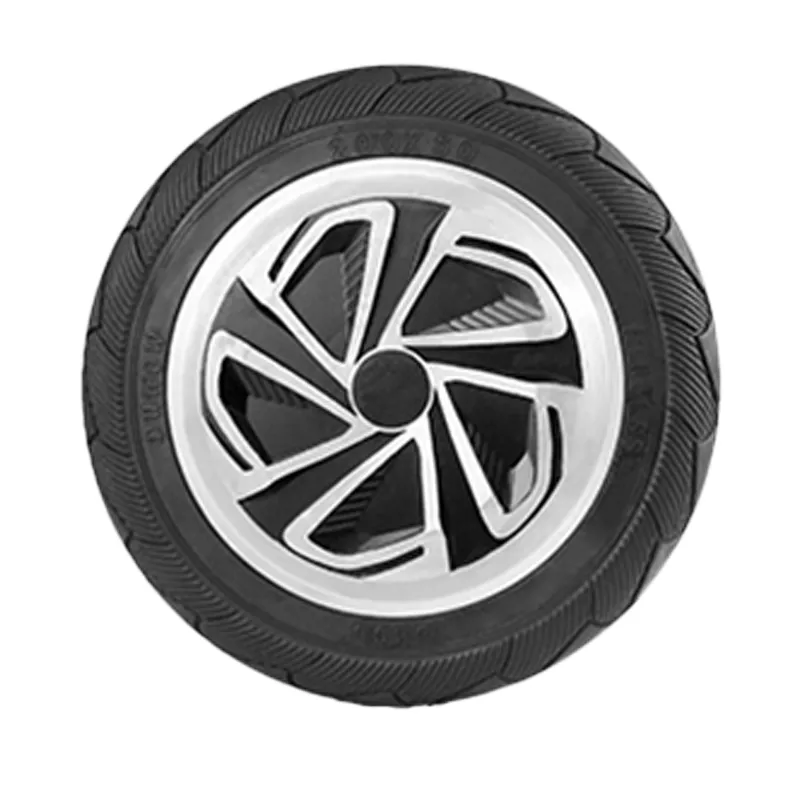
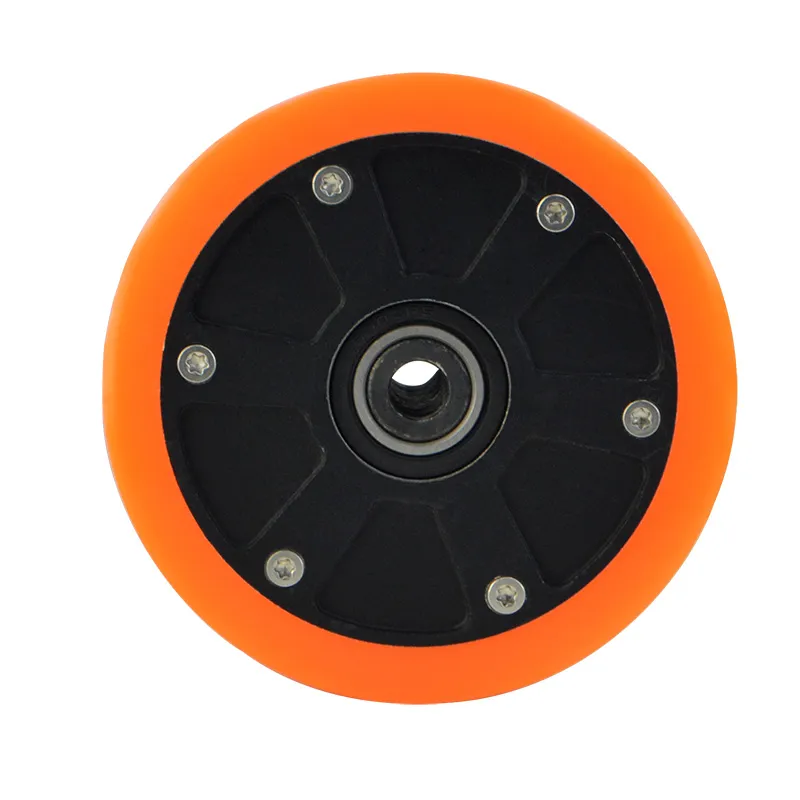
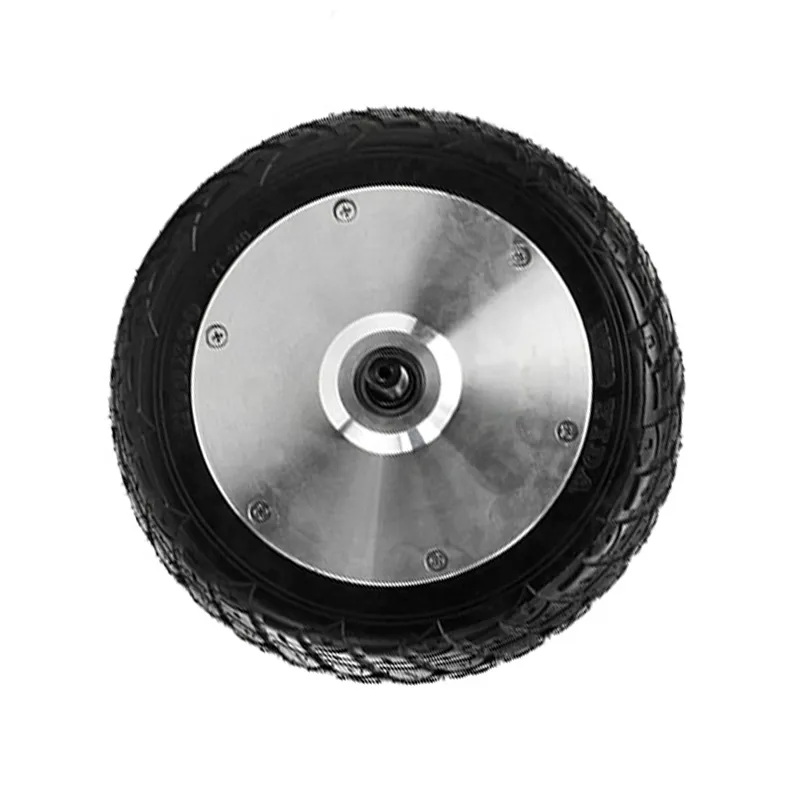
For projects involving brushless hub motors, drive controllers, and energy battery packs, a well-defined technical discussion is the starting point for controlled development and delivery. Share the available application and integration information with Shenzhen Jinhaixin Holdings Co., Ltd to begin aligning the appropriate low-voltage three-electric system customization path for your business.
 Shenzhen Jinhaixin Holdings
drive controller
selection criteria
system performance
control accuracy
Shenzhen Jinhaixin Holdings Co., Ltd
brushless hub motor selection
drive controller
system compatibility
customization requirements
Shenzhen Jinhaixin Holdings Co., Ltd
brushless hub motor
brushless hub motor vs traditional motor
hub motor structure
brushless hub motor applications
Shenzhen Jinhaixin Holdings
low-speed motor
Hall sensor
precision speed control
speed feedback
Shenzhen Jinhaixin Holdings
low-voltage three-electric system
brushless hub motor
drive controller
energy battery pack
Shenzhen Jinhaixin Holdings
drive controller
selection criteria
system performance
control accuracy
Shenzhen Jinhaixin Holdings Co., Ltd
brushless hub motor selection
drive controller
system compatibility
customization requirements
Shenzhen Jinhaixin Holdings Co., Ltd
brushless hub motor
brushless hub motor vs traditional motor
hub motor structure
brushless hub motor applications
Shenzhen Jinhaixin Holdings
low-speed motor
Hall sensor
precision speed control
speed feedback
Shenzhen Jinhaixin Holdings
low-voltage three-electric system
brushless hub motor
drive controller
energy battery pack




.png?x-oss-process=image/resize,h_100,m_lfit/format,webp)
.png?x-oss-process=image/resize,h_100,m_lfit/format,webp)

.png?x-oss-process=image/resize,h_100,m_lfit/format,webp)




.png?x-oss-process=image/resize,m_fill,h_800,w_800/format,webp)
