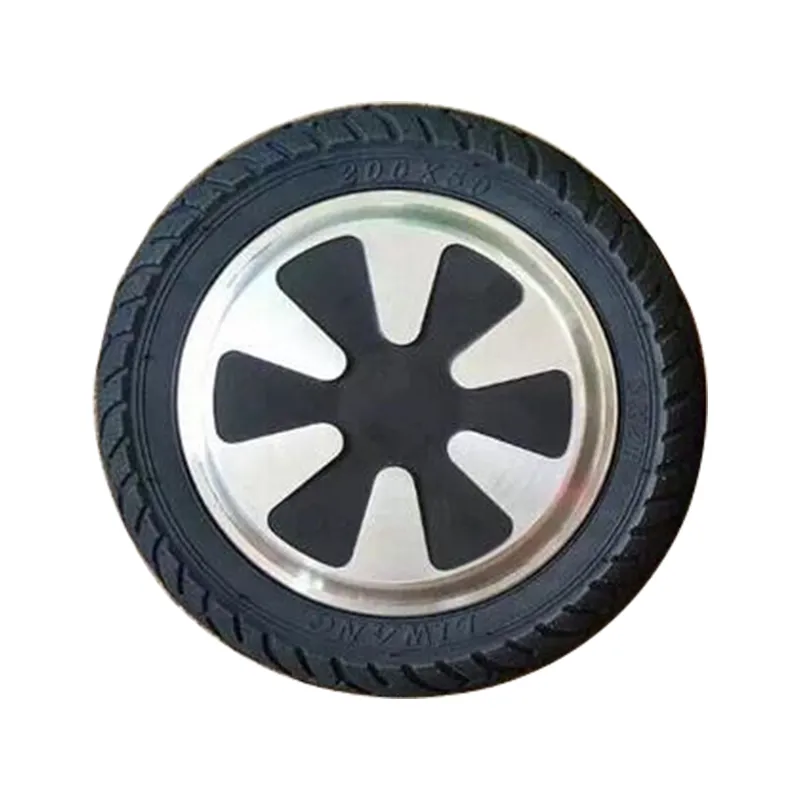
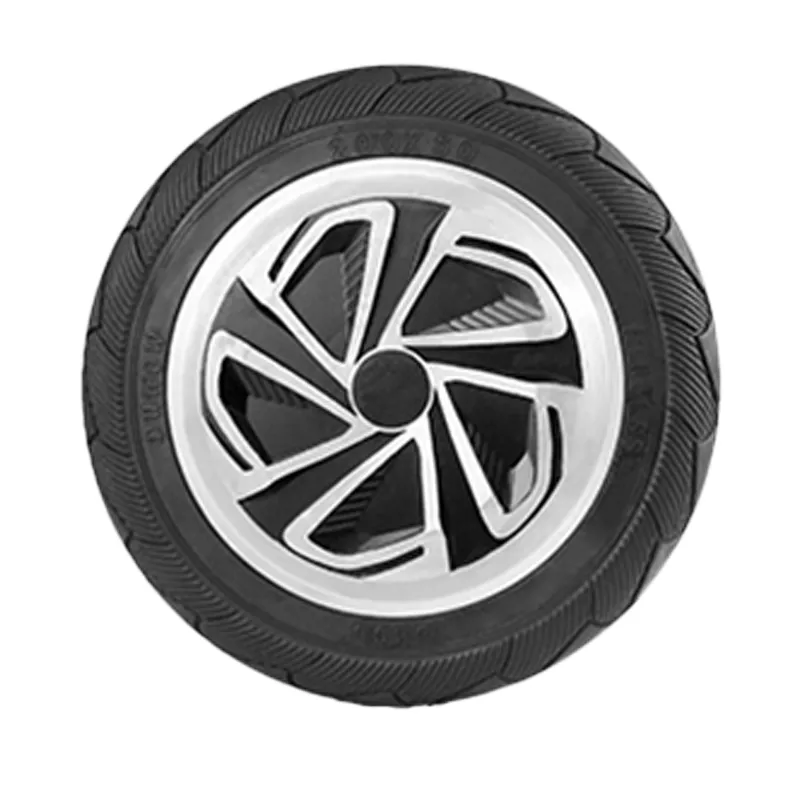
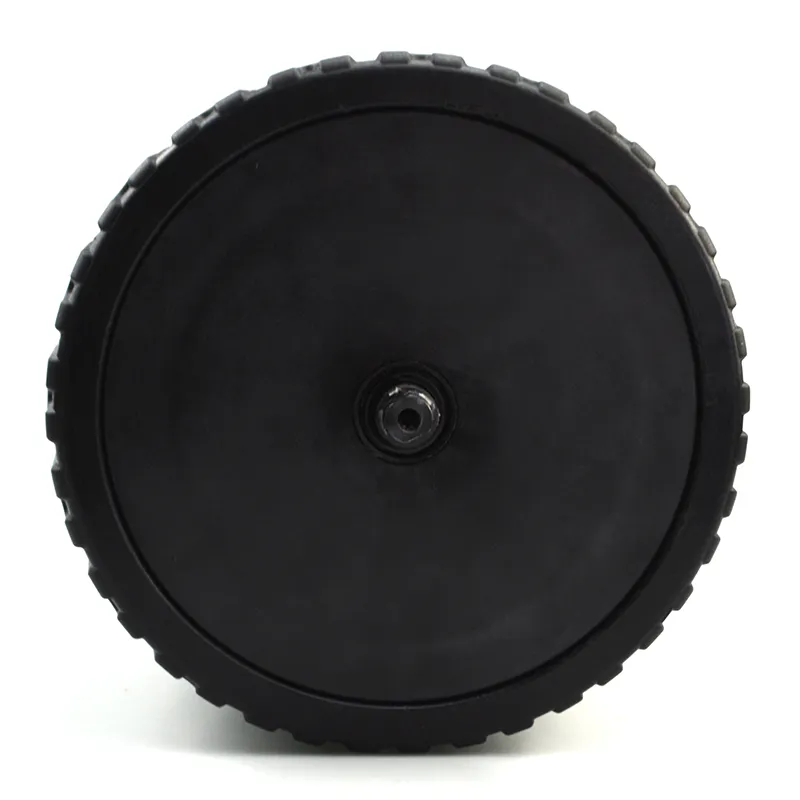
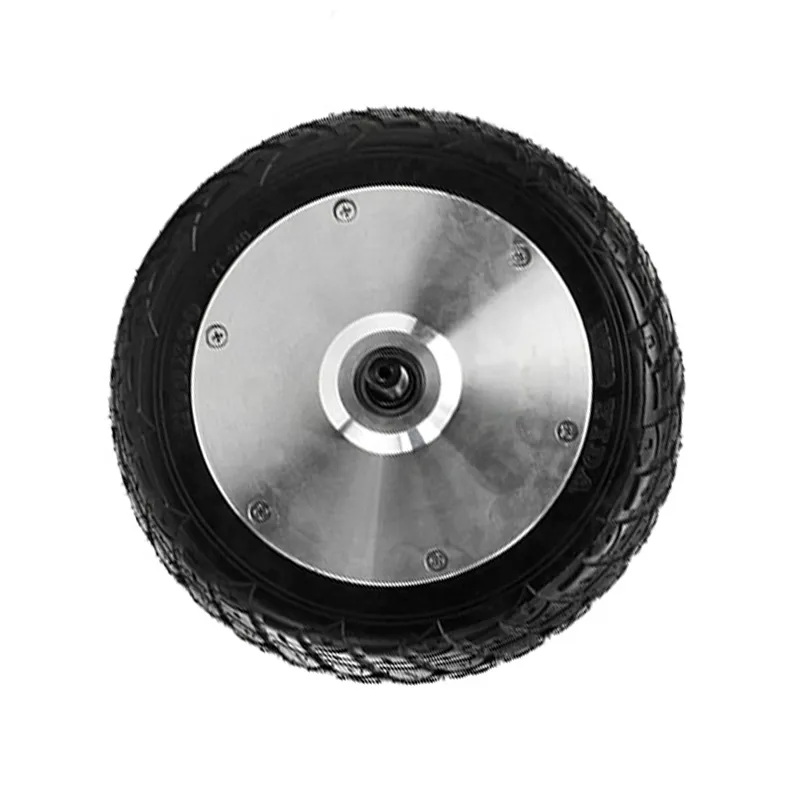
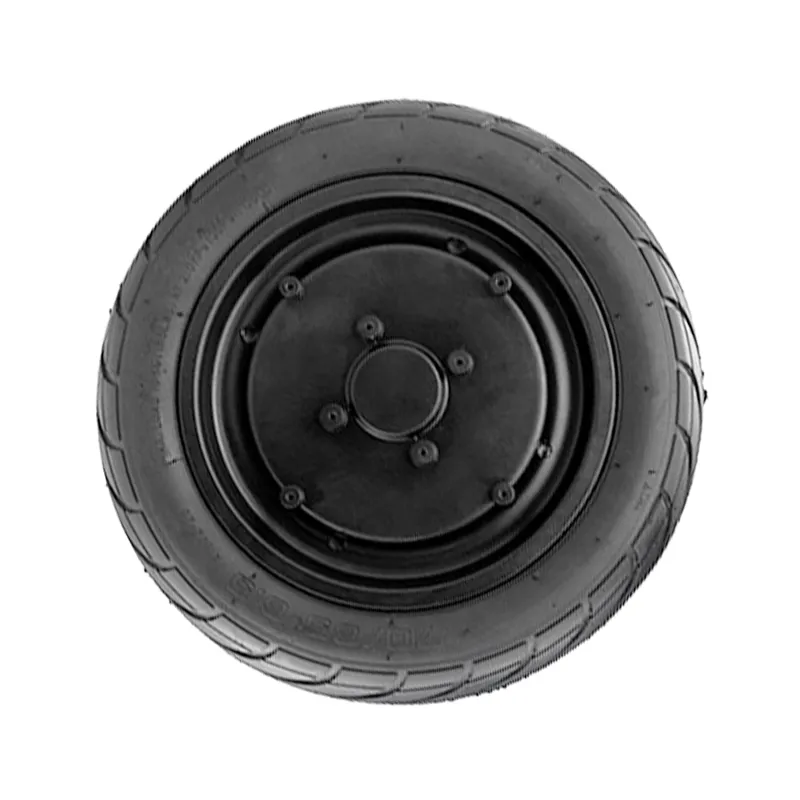
Customized low-voltage three-electric system projects require more than selecting individual components. They depend on a clear connection between application requirements, system design, sample verification, production coordination and delivery control. Shenzhen Jinhaixin Holdings Co., Ltd. supports B2B customers with customized brushless hub motors, drive controllers, energy battery packs and integrated low-voltage system solutions aligned with practical project requirements.
A low-voltage three-electric system commonly involves the coordinated operation of a motor, controller and battery pack. For customized projects, the objective is to translate the customer’s operating conditions and integration needs into a solution that can be evaluated, produced and delivered in an organized manner. Each stage provides information for the next, helping project teams maintain clarity from early discussion through volume production.
Effective customization begins with a shared understanding of how the system will be used. Rather than treating the motor, controller and battery pack as isolated items, the project discussion should consider their intended relationship within the customer’s equipment or vehicle platform.
Clear requirements help establish a workable project scope. They also provide a reference point for solution communication, sample review and subsequent production coordination.
Based on the agreed project brief, the solution stage focuses on how the main three-electric components can work together. Shenzhen Jinhaixin Holdings approaches customization around the specific needs of the project, including brushless hub motor, drive controller and energy battery pack requirements where applicable.
| System Area | Customization Focus | Project Purpose |
|---|---|---|
| Brushless hub motor | Application fit, mechanical integration and operating requirements | Support a motor configuration aligned with the intended equipment design |
| Drive controller | Control needs, connections and coordination with the motor system | Establish a suitable control interface for the project configuration |
| Energy battery pack | System integration, installation considerations and project-specific needs | Support the low-voltage power side of the integrated solution |
Sample validation is an important bridge between solution design and volume delivery. It gives the customer and project team an opportunity to review the proposed configuration against the agreed requirements before production arrangements are expanded.
Sample validation is not a separate end point; it is a controlled decision stage that helps connect customer requirements with the planned production configuration.
Once the project configuration is established, delivery depends on disciplined coordination. Shenzhen Jinhaixin Holdings combines its product development, customization, manufacturing and sales capabilities to support the transition from approved project direction to volume production arrangements.
Keep production communication tied to the confirmed project requirements and agreed component direction.
Apply the company’s quality management approach throughout relevant production and delivery coordination activities.
Coordinate production planning and shipment preparation with the customer’s project schedule and order requirements.
This process is relevant to B2B customers that need a tailored low-voltage three-electric system rather than a purely standard component purchase. It can support projects requiring a customized brushless hub motor, drive controller, energy battery pack or a coordinated combination of these products.
The most productive projects are those in which application requirements, technical communication, sample evaluation and volume delivery planning can be considered as connected stages from the outset.
From early requirement communication through solution design, sample validation, quality control, production coordination and volume delivery, Shenzhen Jinhaixin Holdings provides a structured basis for customized low-voltage three-electric system projects. A clear project brief is the starting point for evaluating a suitable customization path.
 Shenzhen Jinhaixin Holdings
low-voltage three-electric system customization
requirements analysis
prototype validation
parameter matching
Shenzhen Jinhaixin Holdings
drive controller
selection criteria
system performance
control accuracy
Shenzhen Jinhaixin Holdings
motor controller
brushless hub motor
control logic
operating protection
Shenzhen Jinhaixin Holdings
low-voltage three-electric system customization
B2B implementation process
sample validation
mass-production introduction
Shenzhen Jinhaixin Holdings Co., Ltd
low-voltage three-electric system design
brushless hub motor
drive controller and battery pack matching
collaborative system design
Shenzhen Jinhaixin Holdings
low-voltage three-electric system customization
requirements analysis
prototype validation
parameter matching
Shenzhen Jinhaixin Holdings
drive controller
selection criteria
system performance
control accuracy
Shenzhen Jinhaixin Holdings
motor controller
brushless hub motor
control logic
operating protection
Shenzhen Jinhaixin Holdings
low-voltage three-electric system customization
B2B implementation process
sample validation
mass-production introduction
Shenzhen Jinhaixin Holdings Co., Ltd
low-voltage three-electric system design
brushless hub motor
drive controller and battery pack matching
collaborative system design


.png?x-oss-process=image/resize,h_100,m_lfit/format,webp)
.png?x-oss-process=image/resize,h_100,m_lfit/format,webp)

.png?x-oss-process=image/resize,h_100,m_lfit/format,webp)