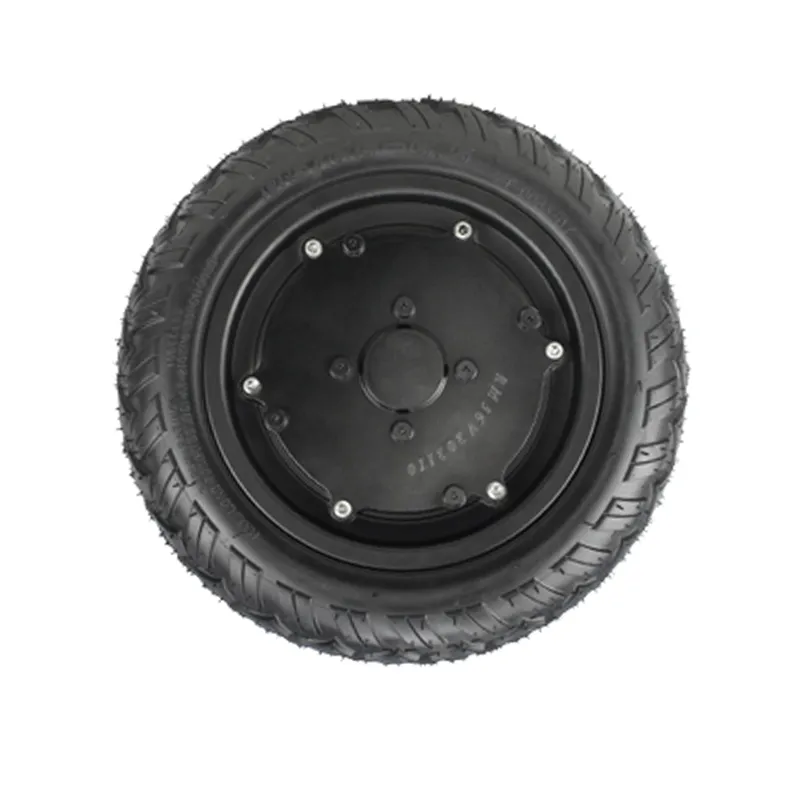
Custom development of a low-voltage three-electric system is a coordinated engineering process. Rather than selecting a hub motor, drive controller, and battery pack independently, the system is developed around the application’s operating requirements and the compatibility of its core electrical components.
At Shenzhen Jinhaixin Holdings Co., Ltd., customized development for B2B applications starts by translating customer needs into defined technical parameters. These parameters guide component matching, prototype development, and validation of the integrated low-voltage three-electric system.
A low-voltage three-electric system combines three interdependent parts: the electric drive source, the control unit, and the energy supply. Their electrical and mechanical interfaces should be considered together so that the final configuration aligns with the intended equipment and usage conditions.
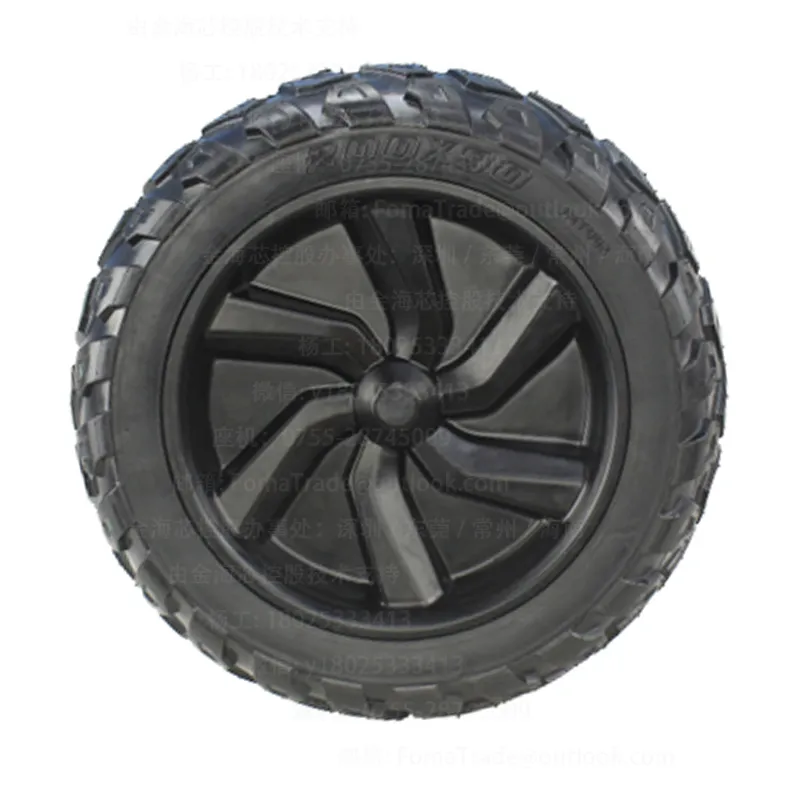
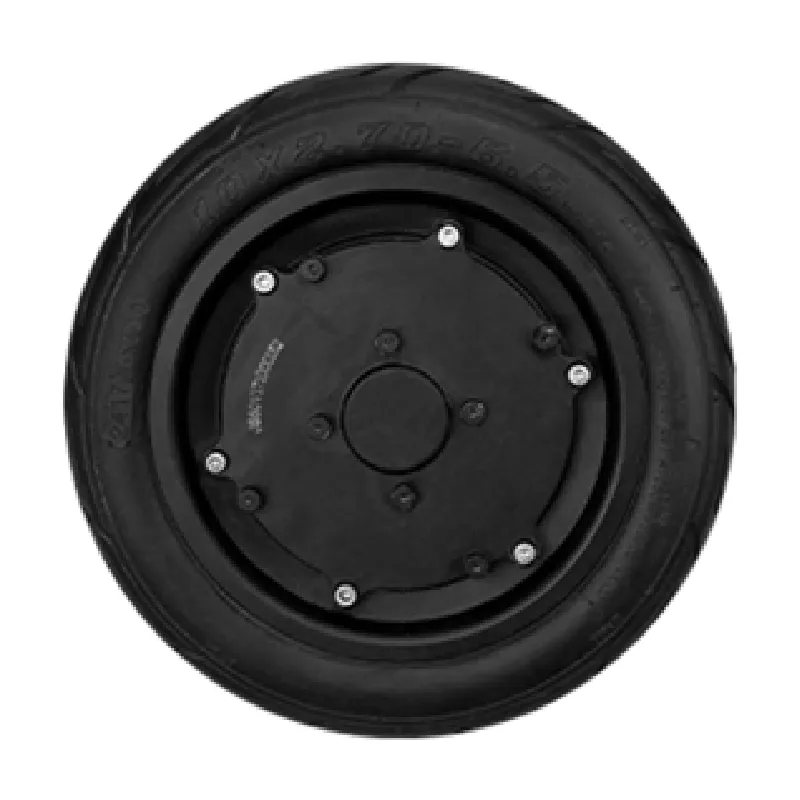
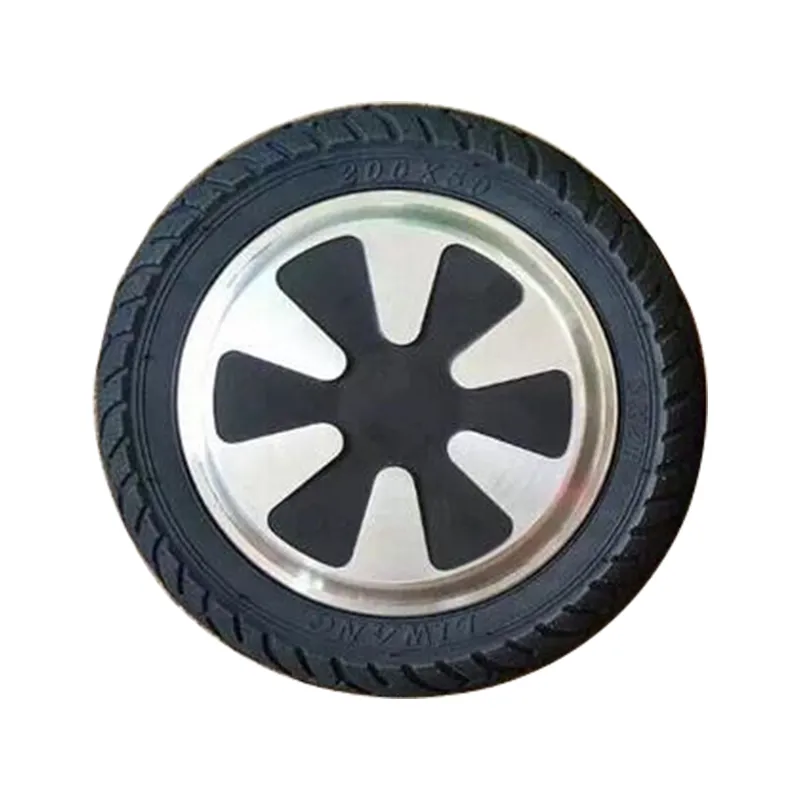
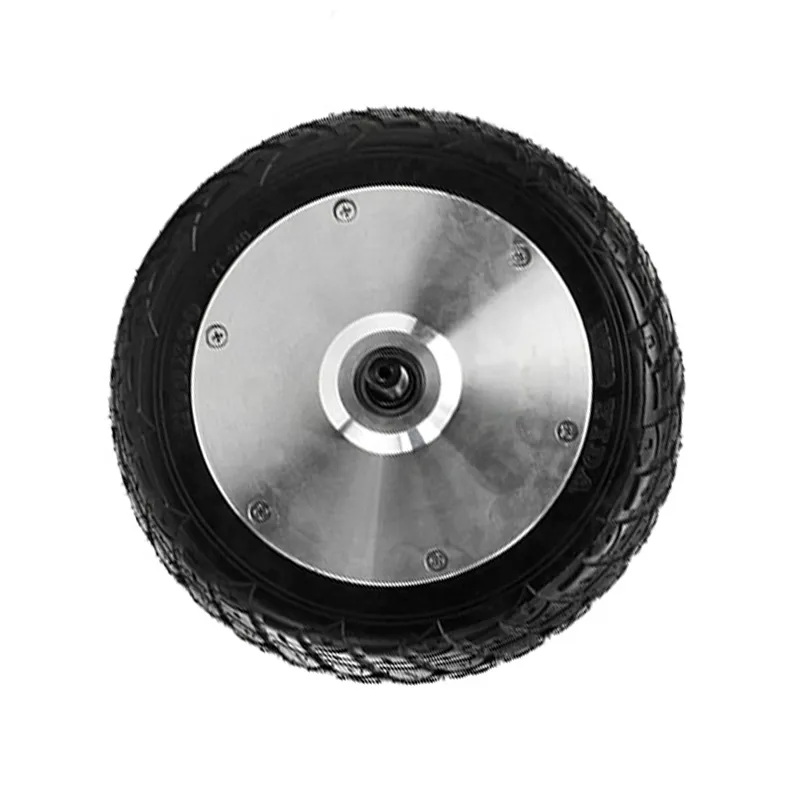
The motor provides the electric drive output. Its selection is connected to installation conditions, operating load, wheel or drive arrangement, and the application’s expected performance profile.
The controller manages the motor’s operating behavior. Controller parameters need to correspond with the motor, battery pack, control signals, protection requirements, and vehicle or equipment architecture.
The battery pack supplies system energy. Its configuration is assessed together with voltage requirements, capacity expectations, physical space, connection method, and controller compatibility.
The purpose of the development process is to move from an application concept to a prototype that can be evaluated as a complete system. Each stage provides a clearer basis for the next technical decision.
The development discussion begins with the intended application, operating conditions, installation space, functional expectations, and any existing interface constraints. Clear requirements help define the scope of the customized low-voltage three-electric system.
The agreed requirements are converted into parameters for the hub motor, drive controller, and battery pack. Matching considers electrical compatibility, mechanical interfaces, wiring and connection needs, and the way the three components operate as one system.
A prototype configuration is prepared according to the confirmed design direction. This stage brings the selected components and interfaces together for practical evaluation before a broader production decision is made.
Prototype testing is used to assess system compatibility, operating performance, and stability under the agreed evaluation conditions. Findings can support further parameter refinement where required.
Early technical information helps make the customization process more efficient and reduces uncertainty in component selection. Depending on the project, useful inputs may include:
| Validation Focus | What It Helps Confirm |
|---|---|
| Electrical compatibility | Whether the hub motor, controller, and battery pack are configured to work together within the defined system parameters. |
| Mechanical and interface fit | Whether installation, connections, and relevant system interfaces align with the intended application arrangement. |
| Operating behavior | Whether the prototype demonstrates the expected coordinated behavior during the agreed testing process. |
| Stability assessment | Whether the integrated system can be reviewed for stable operation under the specified prototype validation conditions. |
For B2B equipment developers and manufacturers, low-voltage three-electric system customization is most effective when the motor, controller, and battery pack are considered as an integrated solution from the beginning. This approach supports clearer technical communication and a more focused path from requirements analysis to prototype validation.
Shenzhen Jinhaixin Holdings combines its product focus in brushless hub motors, drive controllers, and energy battery packs with customized development support for application-specific system requirements. Project discussions can begin with the operating needs and technical constraints that matter most to your equipment.
 Shenzhen Jinhaixin Holdings
camper motor installation
dual-threaded axle structure
115mm pitch
camper trailer parts
Shenzhen Jinhaixin Holdings
industrial motor selection
motor size matching
space-constrained motor solution
motor power and space relationship
Shenzhen Jinhaixin Holdings
drive controller
selection criteria
system performance
control accuracy
Shenzhen Jinhaixin Holdings
kart motor
213mm brake disc
high-torque motor
karting modification
Electric Cart
Brushless Hub Motor
AGV Robot
Shenzhen Jinhaixin Holdings
camper motor installation
dual-threaded axle structure
115mm pitch
camper trailer parts
Shenzhen Jinhaixin Holdings
industrial motor selection
motor size matching
space-constrained motor solution
motor power and space relationship
Shenzhen Jinhaixin Holdings
drive controller
selection criteria
system performance
control accuracy
Shenzhen Jinhaixin Holdings
kart motor
213mm brake disc
high-torque motor
karting modification
Electric Cart
Brushless Hub Motor
AGV Robot



.png?x-oss-process=image/resize,h_100,m_lfit/format,webp)
.png?x-oss-process=image/resize,h_100,m_lfit/format,webp)

.png?x-oss-process=image/resize,h_100,m_lfit/format,webp)