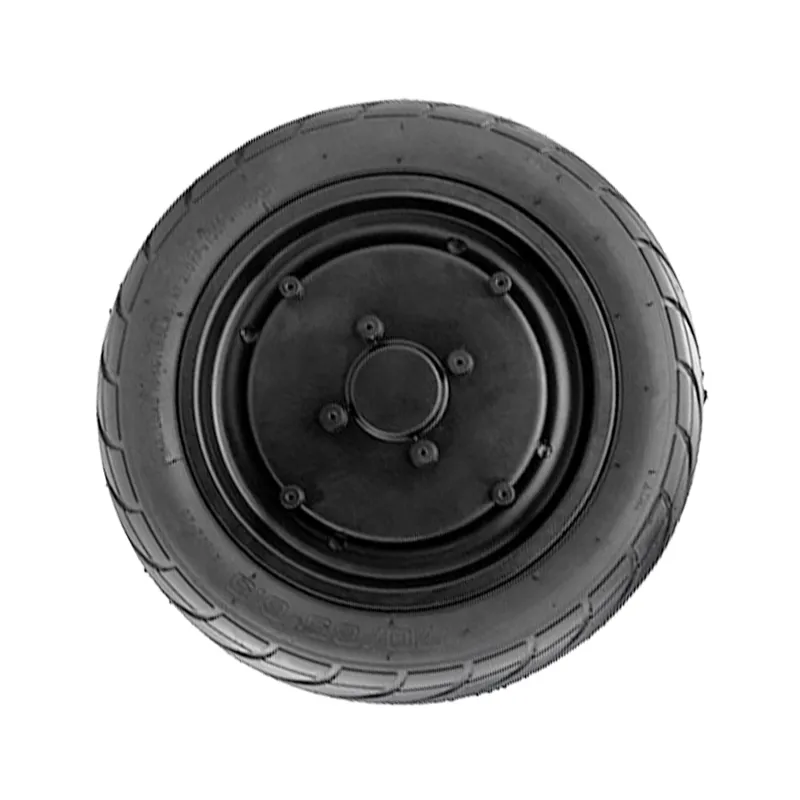
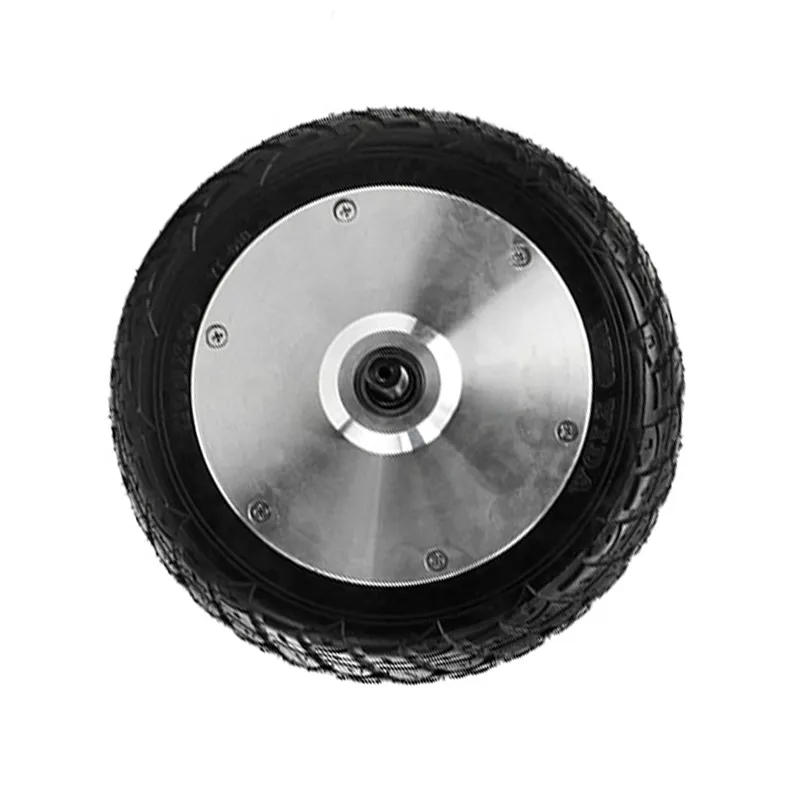
For B2B projects involving motors, drive controllers, and energy battery packs, a clear customization path helps turn application requirements into defined technical checkpoints and delivery criteria. Shenzhen Jinhaixin Holdings Co., Ltd supports low-voltage three-electric system customization through a structured process that connects requirements confirmation, solution coordination, sample validation, quality inspection, and mass production delivery.
A low-voltage three-electric system typically involves the coordination of a brushless hub motor, a drive controller, and an energy battery pack. Because vehicle platforms, operating conditions, interface requirements, and performance expectations may differ from project to project, customization requires more than selecting individual components.
Jinhaixin organizes the delivery process around the information needed for technical alignment and project acceptance. Each stage is intended to help customers and project teams clarify requirements before moving forward, reducing uncertainty between initial communication, sampling, and production delivery.
The project begins with an understanding of the intended application and the customer’s functional requirements. Relevant inputs may include the operating environment, vehicle or equipment configuration, target functions, interface expectations, and requirements for the motor, controller, battery pack, or integrated system.
Based on the confirmed application direction, the customized solution is aligned around the low-voltage three-electric system. This stage focuses on matching system requirements with component configuration, technical parameters, and practical integration considerations before sample work proceeds.
After the solution and key requirements are aligned, samples are prepared for project review. The sample stage provides a practical basis for evaluating the customized motor, controller, battery system, or coordinated three-electric system before mass production is arranged.
Sample validation is used to review whether the agreed requirements are appropriately reflected in the sample. Customer feedback and project review results can be used to support further technical confirmation before the project enters the production stage.
Following sample review, the project parameters and acceptance-related requirements are confirmed for production preparation. This creates a common reference for the customer and delivery team as the customized order moves toward mass production.
Mass production is organized according to the confirmed project requirements. Quality inspection forms an important part of the delivery process, helping ensure that delivery is assessed against the agreed specifications and acceptance criteria for the customized project.
| Project Stage | Primary Alignment Focus |
|---|---|
| Requirements confirmation | Application context, system scope, functional needs, and integration expectations |
| Solution and sample stage | Customized configuration, key parameters, sample preparation, and review basis |
| Validation and confirmation | Performance review, customer feedback, approved parameters, and acceptance expectations |
| Mass production delivery | Production execution, quality inspection, and delivery against confirmed project requirements |
For a customized low-voltage three-electric system, sample validation is the bridge between design assumptions and production confirmation. It gives project stakeholders an opportunity to review the customized solution before final production parameters are established.
A clear validation milestone supports more effective coordination by linking technical requirements, sample review, customer approval, and mass production quality inspection within one delivery path.
This process is designed for business customers seeking customized low-voltage three-electric system support, whether the requirement concerns a brushless hub motor, drive controller, energy battery pack, or a coordinated system solution.
As a manufacturer focused on low-voltage three-electric system design, development, customization, production, and sales, Jinhaixin approaches customized delivery with attention to requirement alignment, sample validation, parameter confirmation, and quality inspection. This structured approach helps B2B customers establish a clearer path from initial project discussion to mass production delivery.
 Shenzhen Jinhaixin Holdings Co., Ltd camping trailer hub motor selection 90mm tire width hub motor 100mm dropout compatibility camping trailer motor installation
Shenzhen Jinhaixin Holdings motor controller brushless hub motor control logic operating protection
Shenzhen Jinhaixin Holdings low-voltage three-electric system brushless hub motor drive controller energy battery pack
Shenzhen Jinhaixin Holdings Co., Ltd lawn mower tire replacement lawn mower tire maintenance heavy-duty mower tire care slope operation tire selection
Shenzhen Jinhaixin Holdings camper trailer motor selection 90 mm tire width fit 100 mm dropout hub motor camper trailer hub motor