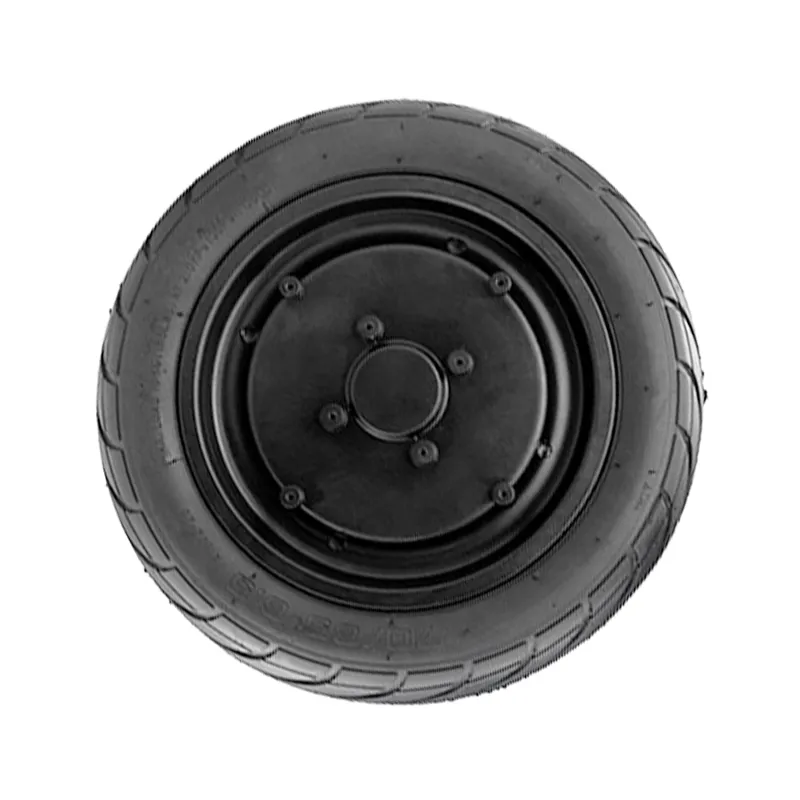
How Brushless Hub Motors, Drive Controllers, and Battery Packs Work Together in Low-Voltage Systems
Shenzhen Jinhaixin Holdings Co., Ltd
2026-08-04
Technical Articles
Shenzhen Jinhaixin Holdings Co., Ltd explains how brushless hub motors, drive controllers, and energy battery packs are matched in low-voltage three-electric system design for stable, coordinated performance.
In a low-voltage electric drive application, a brushless hub motor, drive controller, and energy battery pack operate as one connected system rather than as isolated components. Their electrical parameters, control relationship, and power-supply behavior need to be considered together to support stable and application-appropriate operation.
Shenzhen Jinhaixin Holdings Co., Ltd focuses on the design, development, customization, production, and supply of low-voltage three-electric system components. By considering motor, controller, and battery pack matching from the beginning of a project, the company supports B2B customers seeking a more coordinated basis for product development and integration.
The Three Core Elements of a Low-Voltage Electric System
The low-voltage three-electric system is built around the interaction of propulsion, control, and energy supply. Each part has a distinct responsibility, while the quality of the overall system depends on how effectively these responsibilities are aligned.
Brushless Hub Motor
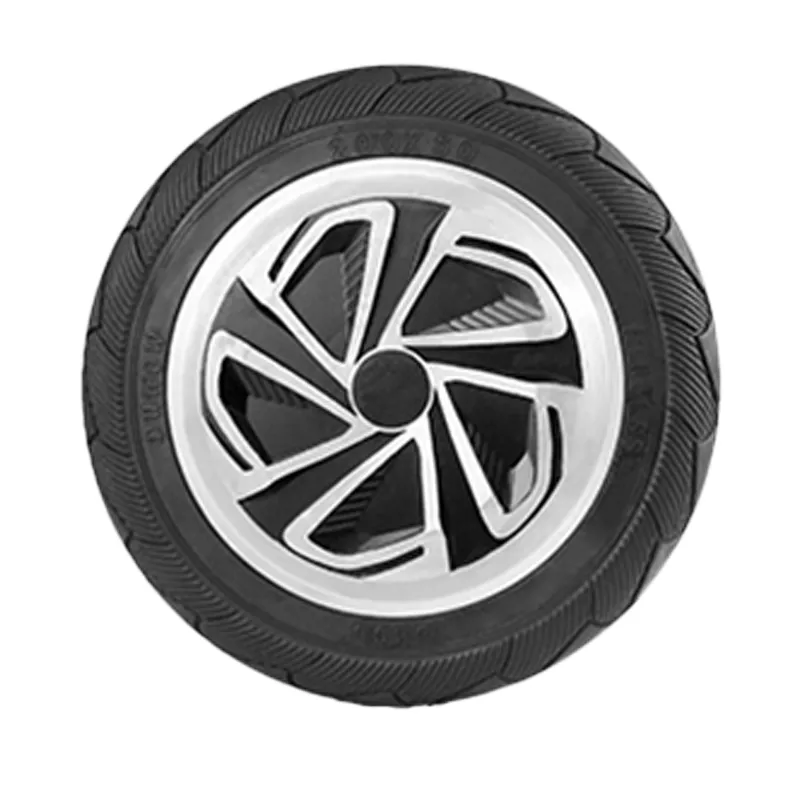
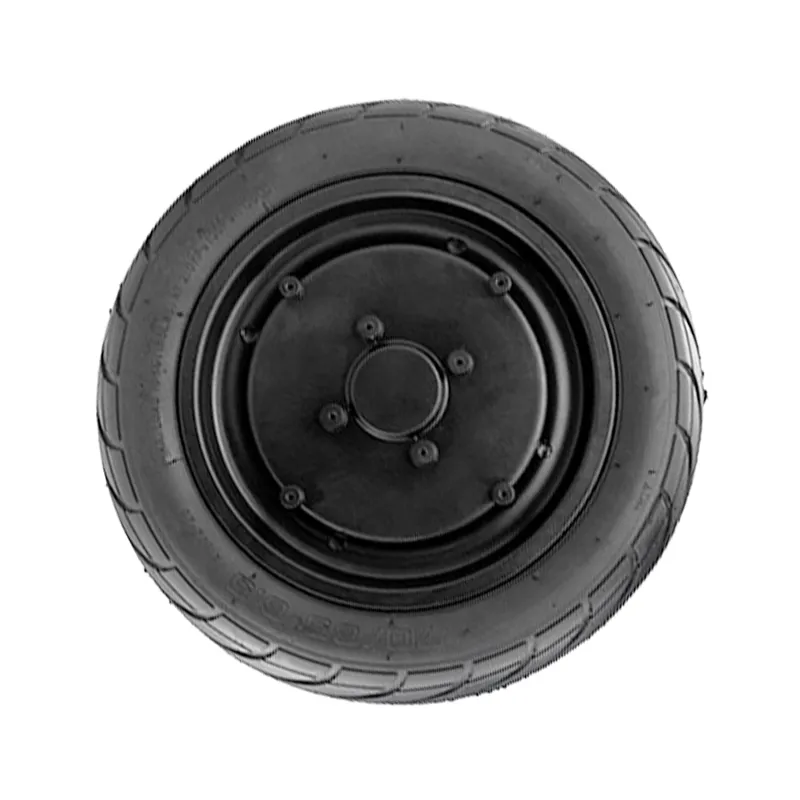
The brushless hub motor converts electrical energy into wheel-end drive force. Its operating characteristics influence the controller requirements and the way energy is drawn from the battery pack. Motor selection should reflect the intended vehicle or equipment configuration and operating conditions.
Drive Controller
The drive controller manages how power is delivered from the battery pack to the motor. It interprets operating inputs and applies control logic to coordinate motor behavior, making it a key link between available electrical energy and controlled drive output.
Energy Battery Pack
The energy battery pack provides the system’s power supply. Its voltage characteristics, energy capacity, and ability to support operating demand affect the available power for the controller and motor throughout the intended use cycle.
Why Collaborative Design Matters
Component compatibility is not limited to physical installation. A low-voltage three-electric system requires coordinated consideration of electrical matching, signal and control behavior, power delivery, and the practical requirements of the final application. Reviewing these elements together helps establish clearer design boundaries before components are integrated.
| Design Area |
Collaborative Consideration |
System Relevance |
| Electrical parameters |
The motor, controller, and battery pack should be evaluated within a compatible low-voltage electrical framework. |
Supports consistent power transfer across the system. |
| Control logic |
Controller behavior should correspond with motor operating characteristics and application inputs. |
Helps create a coordinated relationship between command and drive response. |
| Power supply behavior |
Battery pack capability should be considered in relation to expected system demand. |
Provides a stable energy foundation for motor and controller operation. |
| Application requirements |
System configuration should account for the specific product, operating environment, and customer requirements. |
Keeps component selection connected to the intended use case. |
A Practical Design Path for Component Matching
-
Define the application context. Clarify the intended product type, space constraints, operating expectations, and relevant integration conditions.
-
Establish the system electrical basis. Review the low-voltage system requirements so that motor, controller, and battery pack can be considered within the same electrical design framework.
-
Match the motor and controller. Consider the relationship between the brushless hub motor’s operating characteristics and the controller’s drive and control approach.
-
Evaluate battery pack support. Assess how the energy battery pack will supply the controller and motor in line with the planned application requirements.
-
Confirm integration details. Review interfaces, installation considerations, and application-specific customization needs before finalizing the system configuration.
Application-Specific Design Requires Clear Inputs
Low-voltage three-electric system design is application dependent. A suitable configuration should be informed by the requirements of the customer’s product and its intended operating conditions. This includes the expected role of the brushless hub motor, the controller’s control needs, and the battery pack’s role as the system power source. Clear technical communication at the design stage helps keep customization focused on relevant integration requirements.
Integrated Support for Low-Voltage Three-Electric Systems
Shenzhen Jinhaixin Holdings Co., Ltd provides brushless hub motors, drive controllers, and energy battery packs as part of its low-voltage three-electric system offering. With design, research and development, customization, production, and sales capabilities, the company works with B2B customers that require coordinated component consideration for their own applications.
For projects involving low-voltage electric drive integration, a system-level view of the motor, controller, and battery pack provides a practical foundation for discussing component matching and customized design requirements.


.png?x-oss-process=image/resize,h_100,m_lfit/format,webp)
.png?x-oss-process=image/resize,h_100,m_lfit/format,webp)

.png?x-oss-process=image/resize,h_100,m_lfit/format,webp)

.png?x-oss-process=image/resize,h_800,m_lfit/format,webp)