Shenzhen Jinhaixin Holdings Co., Ltd
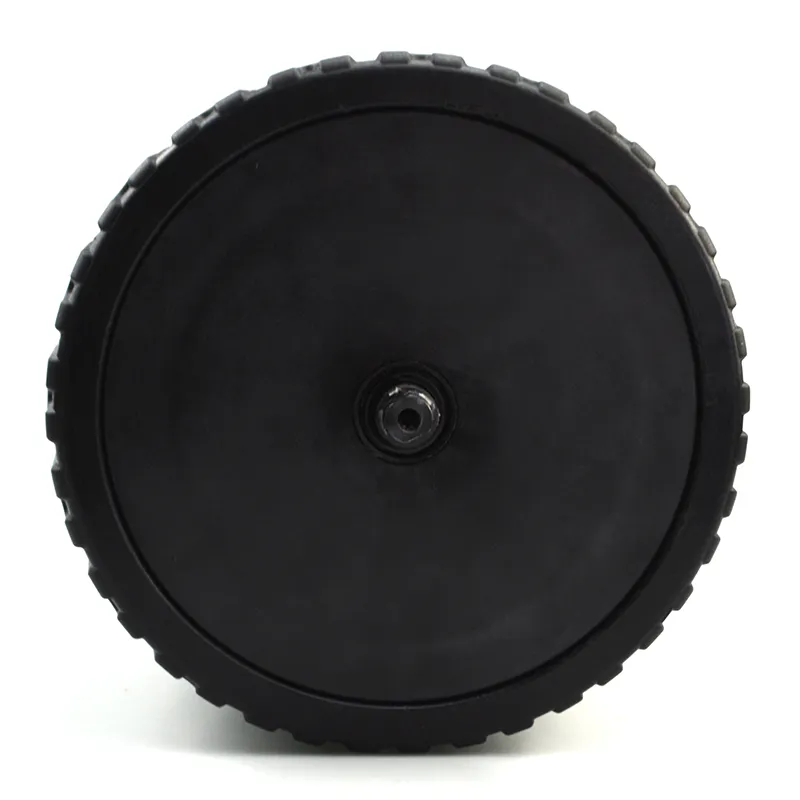
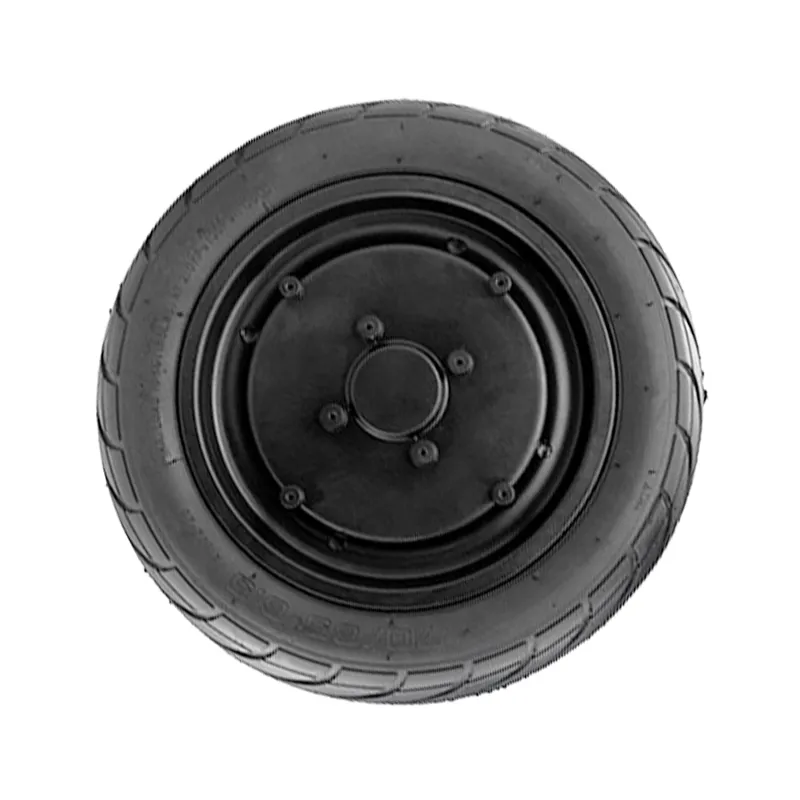
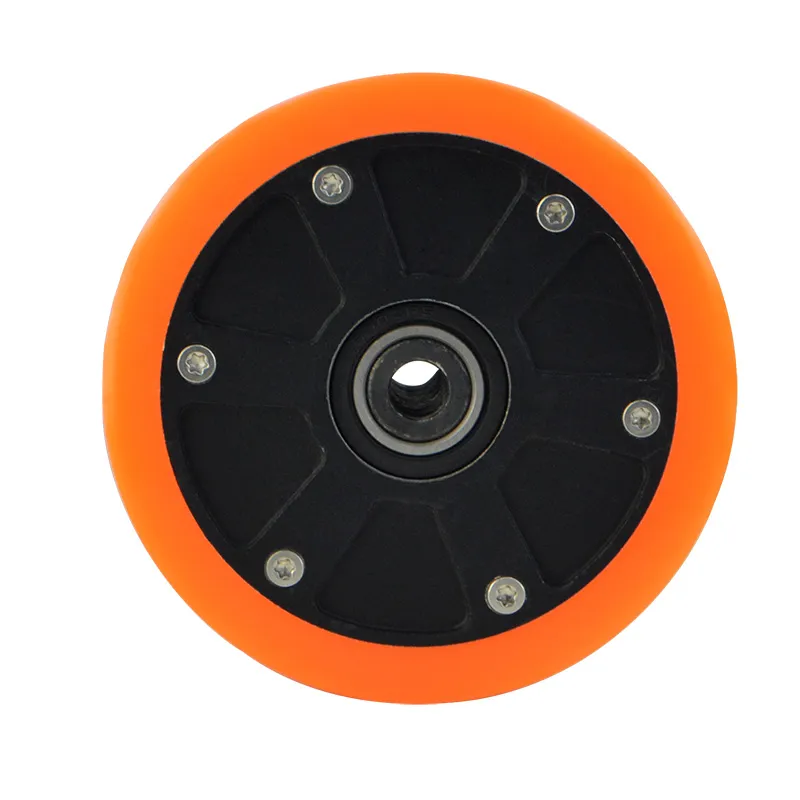
In karting applications, handling is shaped by more than motor power alone. The coordination between the 8.5-inch kart motor, the 213mm brake disc, and the short-shaft structure plays an important role in braking response, corner control, and driver confidence on track. Shenzhen Jinhaixin Holdings focuses on low-voltage three-system solutions, including brushless hub motors, drive controllers, and customized power battery packs, with product matching and customization support for B2B customers.
For karting and similar compact vehicle platforms, the goal is not only acceleration, but also stable control under frequent start-stop conditions. A well-matched motor and brake system helps maintain predictable behavior during straight-line runs, braking zones, and direction changes.
A 213mm brake disc is commonly considered in layouts where responsive deceleration and track control are important.
The compact motor format and short-shaft design help support a stable mechanical layout for karting use.
This type of product is aligned with karting modification projects that require careful component matching rather than one-size-fits-all selection.
In karting, the motor, controller, battery pack, and braking components should be evaluated as a complete system. Proper matching helps support smoother power delivery, more predictable braking, and better overall vehicle control.
Shenzhen Jinhaixin Holdings approaches each project with an emphasis on practical configuration, stable quality management, and customer-specific requirements. For B2B buyers, this means the product is not treated as a standalone part, but as a component within a broader low-voltage electrical system.
Based in Shenzhen with production support across Shenzhen, Dongguan, Changzhou, and Hainan, Shenzhen Jinhaixin Holdings serves B2B customers with a focus on low-voltage three-system design and manufacturing. For electric karting applications, the company’s brushless hub motors, drive controllers, and customized power battery packs provide a structured foundation for component matching, performance-oriented integration, and project-specific adaptation.
 Shenzhen Jinhaixin Holdings Co., Ltd
low-voltage three-electric system
brushless hub motor
drive controller
energy battery pack
Shenzhen Jinhaixin Holdings Co., Ltd
system collaborative design
interface matching
brushless hub motor
drive controller
energy battery pack
Brushless hub motor
Full process solution
Motor design and development
Prototype testing and verification
Mass production delivery
Shenzhen Jinhaixin Holdings
low-speed motor
Hall sensor
precision speed control
speed feedback
Shenzhen Jinhaixin Holdings
drive controller
selection criteria
system performance
control accuracy
Shenzhen Jinhaixin Holdings Co., Ltd
low-voltage three-electric system
brushless hub motor
drive controller
energy battery pack
Shenzhen Jinhaixin Holdings Co., Ltd
system collaborative design
interface matching
brushless hub motor
drive controller
energy battery pack
Brushless hub motor
Full process solution
Motor design and development
Prototype testing and verification
Mass production delivery
Shenzhen Jinhaixin Holdings
low-speed motor
Hall sensor
precision speed control
speed feedback
Shenzhen Jinhaixin Holdings
drive controller
selection criteria
system performance
control accuracy


.png?x-oss-process=image/resize,h_100,m_lfit/format,webp)
.png?x-oss-process=image/resize,h_100,m_lfit/format,webp)

.png?x-oss-process=image/resize,h_100,m_lfit/format,webp)