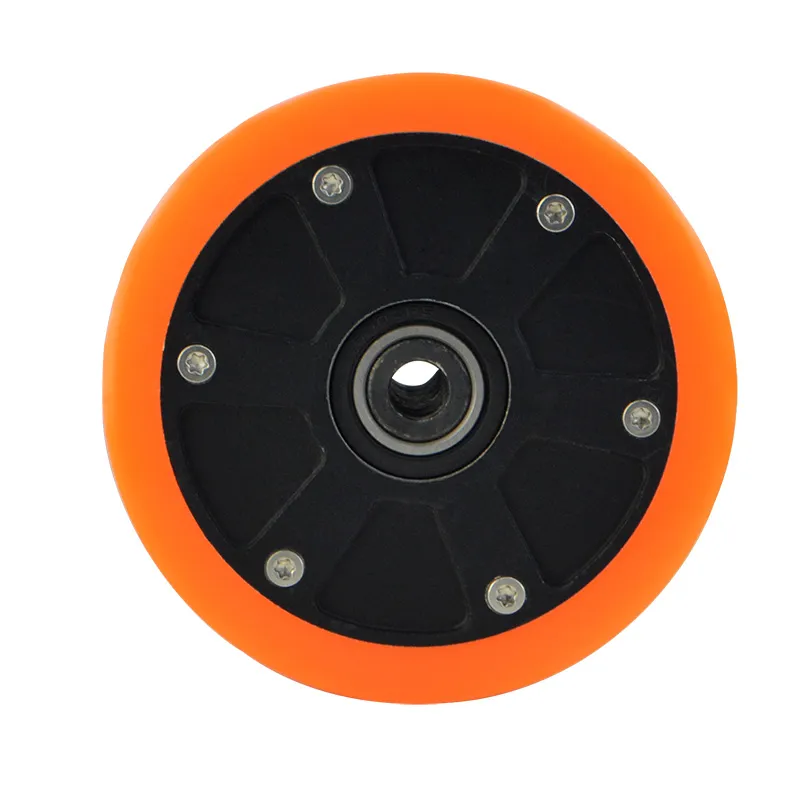
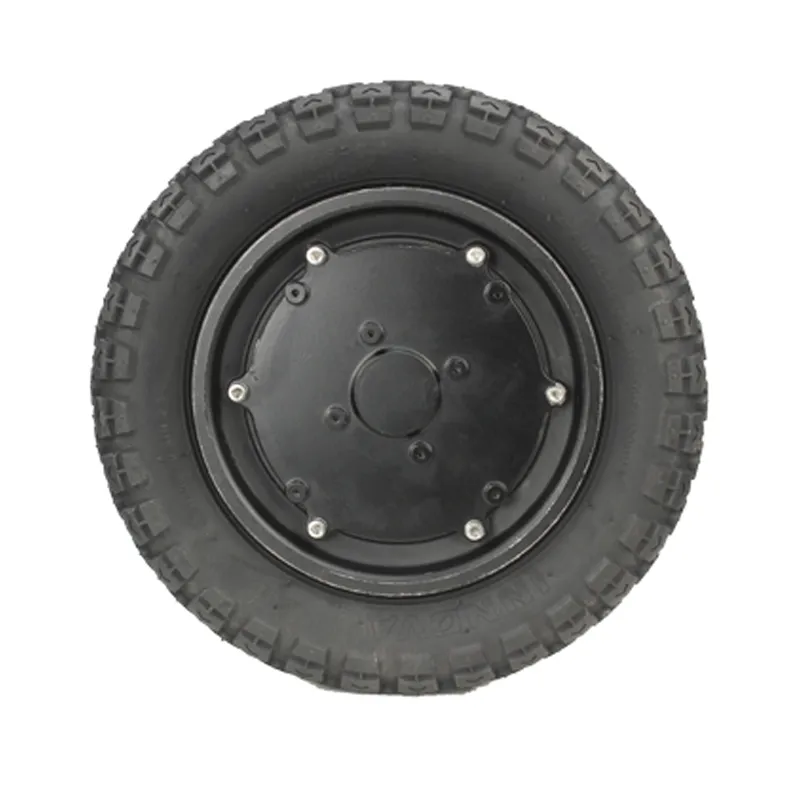
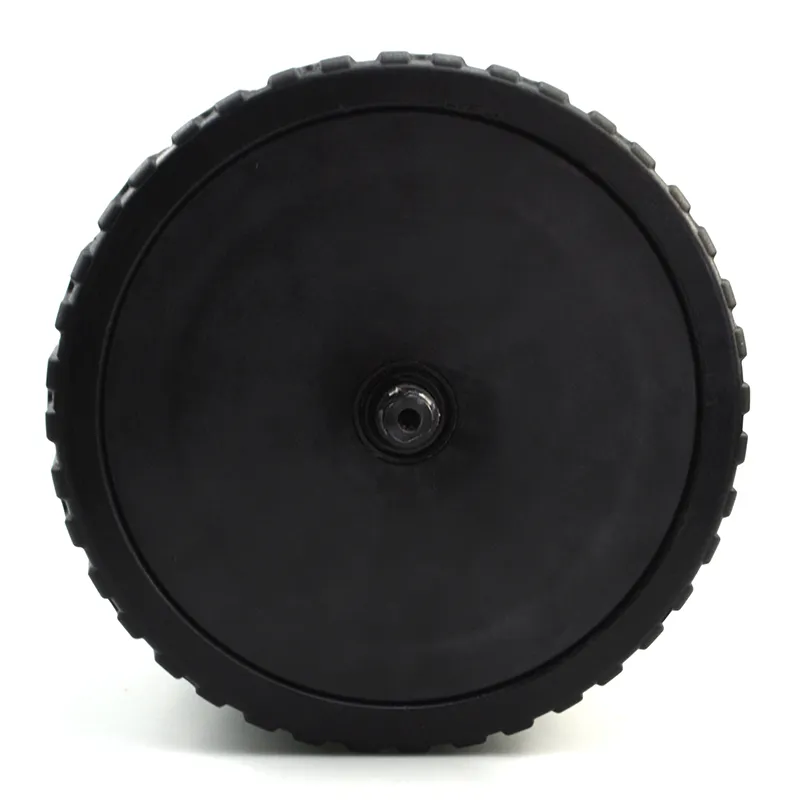
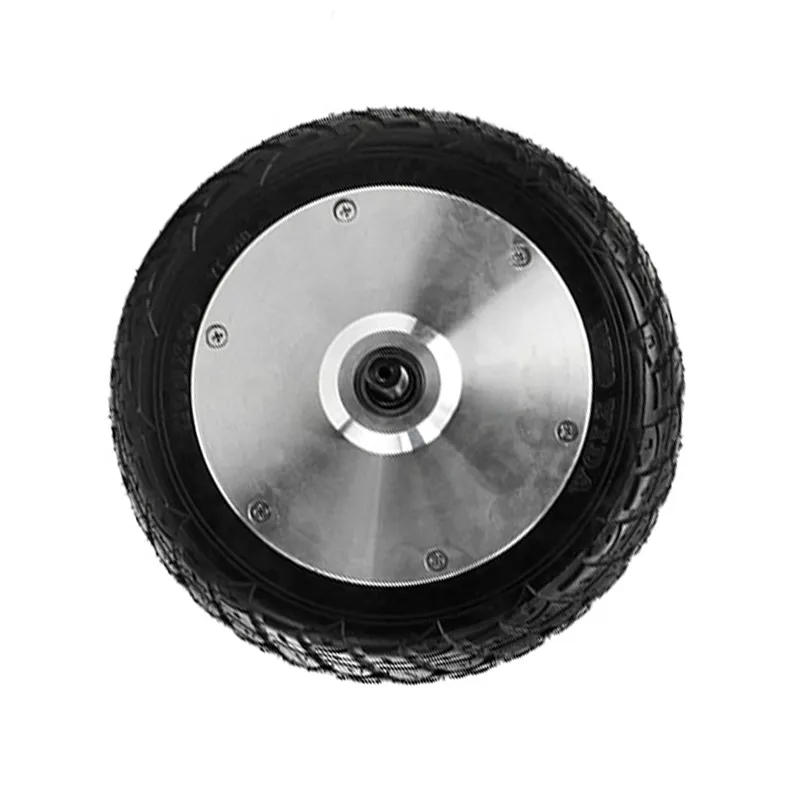
Before replacing a low-voltage electric vehicle hub motor with a larger model, check more than the motor’s power rating. Confirm that its mounting dimensions fit the frame, that the motor and tire have adequate clearance, and that the wheel and tire specifications are compatible. A motor that cannot be installed securely—or that interferes with nearby components—may not be suitable, even if its electrical specifications appear appropriate.
A hub motor integrates the motor into the wheel assembly. Replacing it with a larger model can change how the assembly fits within the vehicle, including its position relative to the frame, fork, fender, suspension, and other nearby parts. The wheel rim and tire must also suit the selected motor and the vehicle’s available space.
The practical first step is to compare the existing installation with the replacement motor’s dimensional drawing or other confirmed product specifications. If those details are unavailable, measure the vehicle before narrowing down options. Physical fit and electrical compatibility should be assessed together rather than treated as separate decisions.
| Check | What to compare | Why it matters |
|---|---|---|
| Mounting dimensions | Axle or mounting interface, spacing, and the available frame or fork opening | The motor must fit the mounting points and be secured as intended. |
| Motor envelope | Overall motor width, diameter, and the position of protruding features | A larger housing can reduce clearance to the frame or adjacent components. |
| Wheel and tire | Rim fit, tire dimensions, and the assembled wheel’s overall size | The tire and rim must suit the wheel assembly and fit within the vehicle. |
| Surrounding clearance | Space near the fender, suspension, brake components, wiring, and frame | Clearance should be checked throughout the relevant range of wheel movement and vehicle operation. |
| Electrical system | Motor and controller specifications, supply voltage, connections, and operating requirements | A physically compatible motor still needs to be evaluated as part of the vehicle’s electrical system. |
If the fit, mounting method, or system requirements cannot be confirmed, pause the replacement and obtain qualified technical guidance. Do not force an assembly into place or operate a vehicle with uncertain mounting security or component interference.
After confirming the specifications, check the assembled wheel and motor on the vehicle before road or production use. Verify that mounting points are secure, the wheel is correctly positioned, and the tire does not contact the frame, fender, suspension, brake components, or wiring. Check clearance through the relevant movement range, where applicable.
Follow the motor and vehicle supplier’s installation and test instructions. Any powered test should be carried out in a controlled, safe setting by a suitably qualified person. Begin with the checks specified for the system, observe for unexpected contact or abnormal operation, and stop if a problem appears. Record the motor and controller specifications, installation measurements, and test observations so the decision can be reviewed.
WINAMICS can help assess hub motor selection and controller matching based on vehicle requirements and installation dimensions. Sharing measurements, existing system details, and the intended application helps clarify which specifications need to be checked and whether a proposed motor is suitable for further evaluation. Final compatibility should be confirmed against the relevant product information and vehicle requirements.
Matching voltage alone does not establish compatibility. Check the mounting dimensions, motor and wheel clearance, tire and rim fit, controller requirements, and other relevant vehicle specifications.
Start with the frame or fork mounting interface, the motor’s overall dimensions, and the space around the assembled wheel and tire. Also check nearby components and any areas that may change position during operation.
Not necessarily, but the rim and tire must be compatible with the replacement motor and must fit the vehicle with adequate clearance. Confirm the relevant wheel and tire specifications before installation.
Do not assume the dimensions match. Record the available measurements, take clear installation photos, and ask the supplier to confirm the motor’s specifications before proceeding.
For a larger hub motor replacement, confirm mechanical fit, tire and wheel compatibility, and controller requirements as one assessment. Contact WINAMICS with the vehicle details, installation measurements, and photos to discuss motor selection and controller matching.
 Shenzhen Jinhaixin Holdings low-voltage three-electric system customization requirements analysis prototype validation parameter matching
WINAMICS hub motor controller matching brushless hub motor controller BLDC motor controller compatibility motor and controller solution
Shenzhen Jinhaixin Holdings camper motor installation dual-threaded axle structure 115mm pitch camper trailer parts
Shenzhen Jinhaixin Holdings industrial motor selection motor size matching space-constrained motor solution motor power and space relationship
WINAMICS brushless hub motor speed vs torque hub motor for heavy load transport hub motor for hill climbing direct-drive hub motor selection