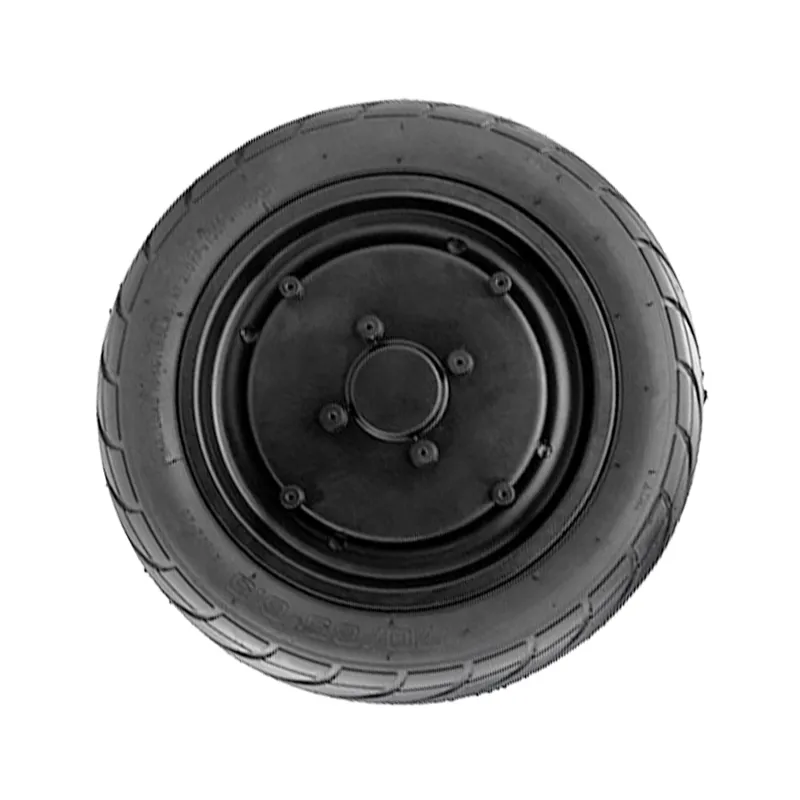
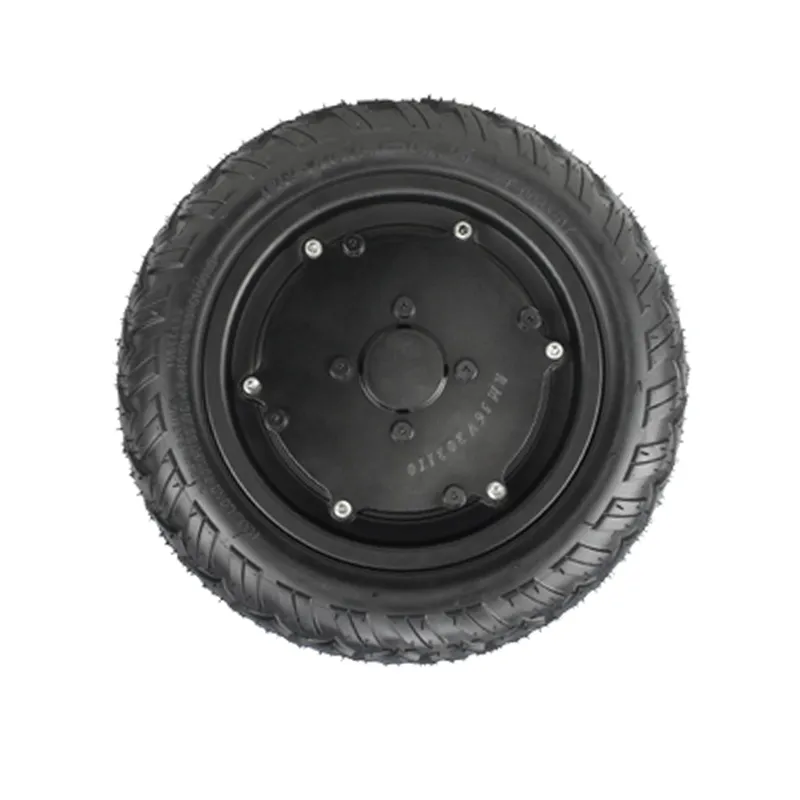
A practical assessment starts with the equipment, not the motor alone.
Selecting a hub motor for an electric cart, handling vehicle, mobile robot, bumper car, kart, or other light electric equipment requires more than comparing rated power or wheel diameter. The motor must fit the vehicle’s real load, intended speed, operating surface, available installation space, and control system. WINAMICS supports this hub motor fitment assessment by reviewing the operating conditions and the parameters that influence reliable prototype evaluation and subsequent production planning.
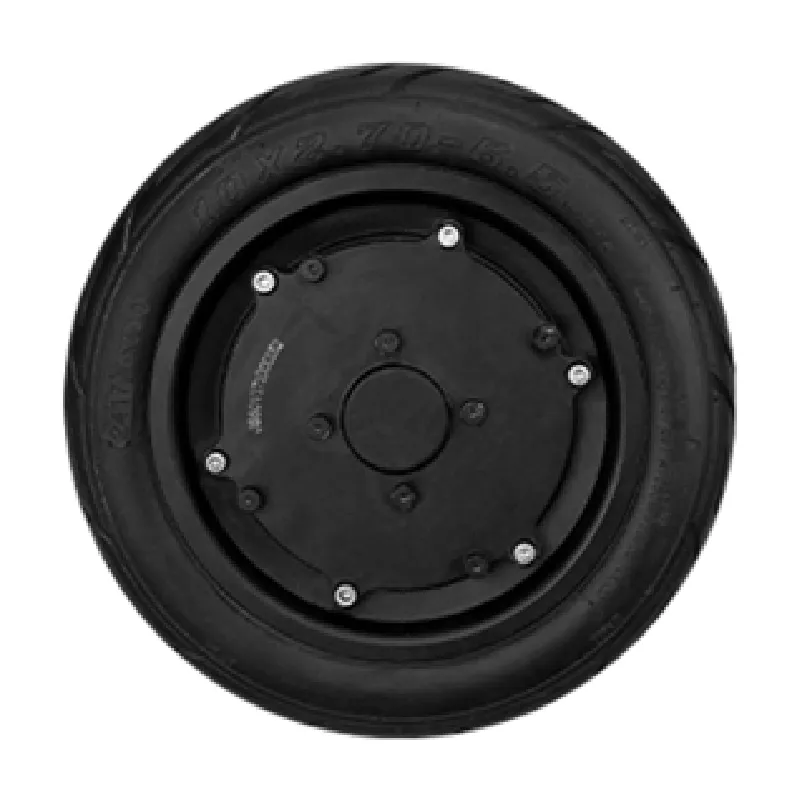
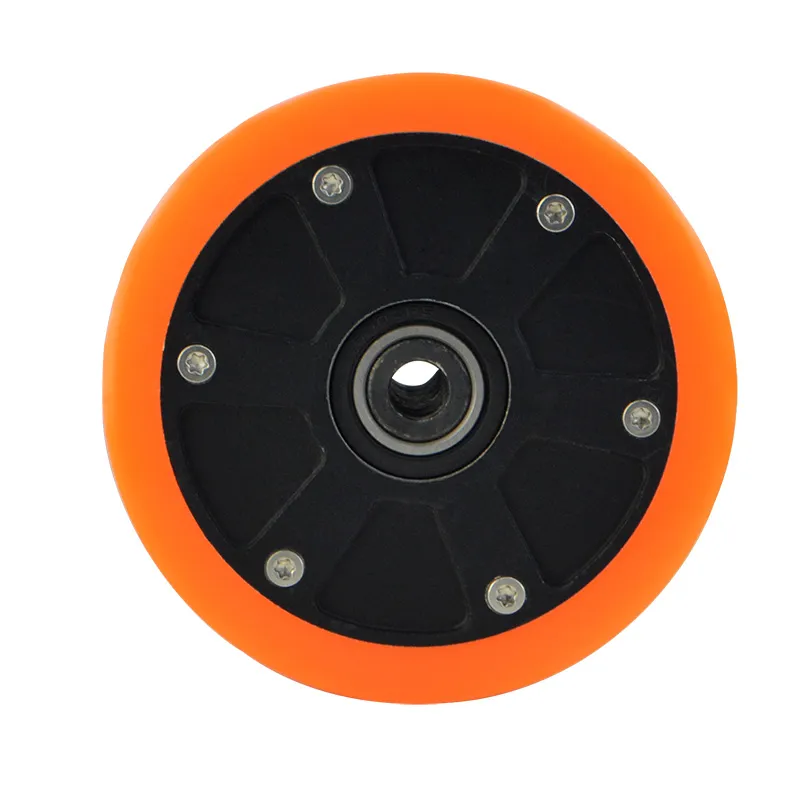
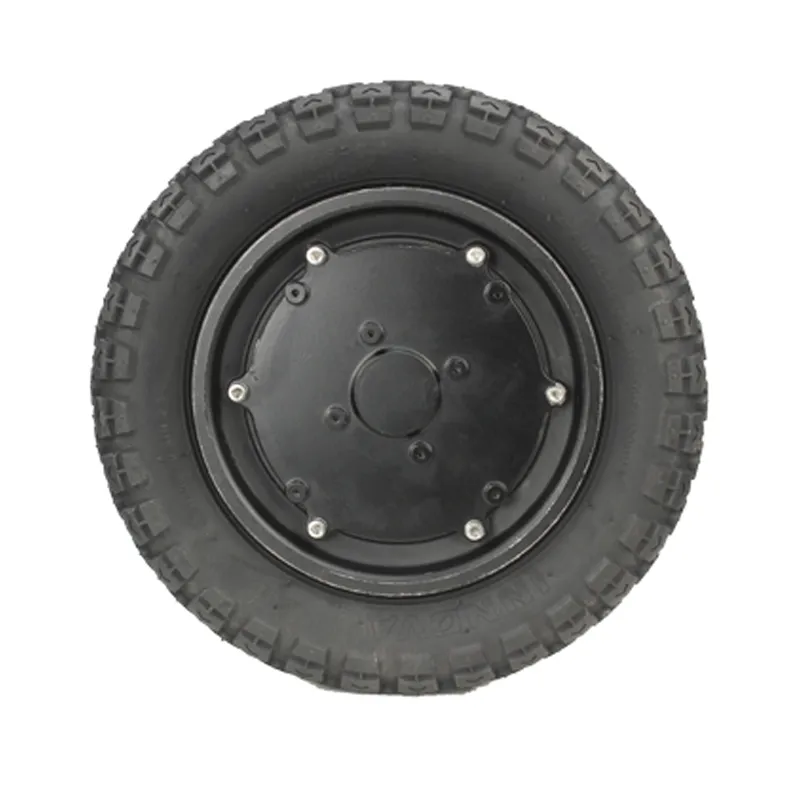
Hub motor fitment is the process of confirming whether a motor-and-wheel solution is suitable for a specific electric vehicle or mobile machine. It combines mechanical fit, driving performance, electrical compatibility, and practical operating conditions. A motor can appear suitable on a specification sheet but still be unsuitable if its axle arrangement, wheel size, controller settings, or load capability do not match the application.
Fitment objective: identify a hub motor configuration that can be installed correctly, work with the intended controller, and support the required load, speed, direction changes, and operating environment of the equipment.
Clear application information helps make hub motor selection more accurate. The following inputs are commonly reviewed before selecting or customizing a solution.
Include vehicle weight, payload, passengers where applicable, and the expected loaded operating condition. Load affects the torque required for starting, moving, and climbing.
Required travel speed should be considered together with wheel diameter. This relationship helps determine the appropriate motor speed range and overall driving behavior.
Ramps, slopes, uneven ground, and frequent stop-start operation can increase torque demand compared with operation on a smooth, level floor.
Check wheel position, axle structure, mounting dimensions, clearance around the motor, and the routing space for cables and electrical connections.
The battery or vehicle power supply voltage is a fundamental input for selecting a motor and assessing controller compatibility.
Operating time, repeated acceleration, ambient conditions, noise expectations, and indoor or outdoor use should be reviewed as part of the application requirement.
A hub motor must provide enough driving torque for the vehicle to start and move under its expected load. As speed requirements increase, the motor selection must still account for starting conditions, acceleration, and any slope the equipment needs to climb. These factors should be assessed as a combined operating profile rather than as isolated values.
| Assessment factor | Why it matters | Information to provide |
|---|---|---|
| Total operating weight | Influences required starting and driving torque. | Vehicle weight, payload, passenger load, or transported material. |
| Target travel speed | Helps align motor speed with wheel diameter and intended operation. | Desired speed range and normal operating speed. |
| Grade and terrain | Changes torque demand and affects the real working load. | Maximum slope, floor condition, ramp use, and surface type. |
| Operating pattern | Frequent starts, reversals, or continuous running can affect system requirements. | Daily use duration, start-stop frequency, reversing needs, and expected duty cycle. |
Mechanical fit should be confirmed early in the selection process. This helps avoid a situation where the desired motor performance is available but the motor cannot be installed correctly within the vehicle structure.
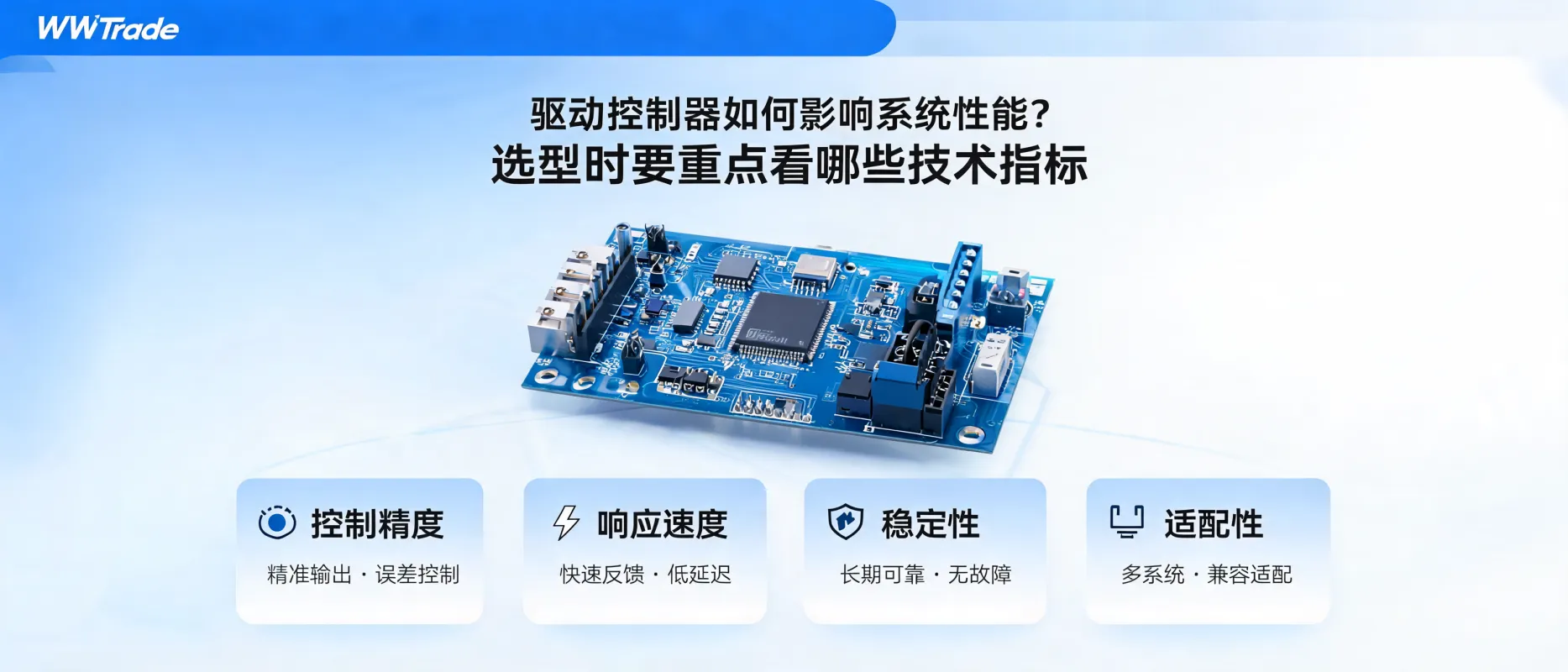
A hub motor should be assessed together with its controller. Motor and controller matching affects how the electric vehicle starts, accelerates, changes direction, and responds under load. The controller must be suitable for the required voltage, motor operating characteristics, and intended control method.
Controller matching discussions typically include:
A fitment assessment provides the basis for selection, while prototype testing helps verify the solution in the actual equipment. The relevant test scope depends on the application and may include operational checks under expected use conditions.
WINAMICS works with customers on hub motor selection for electric handling equipment, mobile robots, electric carts, bumper cars, karts, lawn mowers, wheelchairs, and other electric equipment. The selection discussion can be based on the vehicle’s actual operating requirements rather than a single specification alone.
For an initial hub motor fitment assessment, prepare the vehicle load, target speed, wheel size, system voltage, working environment, slope requirement, installation dimensions, and controller or control-method information available for the project. This provides a practical starting point for evaluating a suitable motor and controller solution.
 Shenzhen Jinhaixin Holdings low-voltage three-electric system customization custom project delivery quality control volume production
Hub motor Brushless hub motor High-performance hub motor Customized motor solutions WINAMICS
Shenzhen Jinhaixin Holdings brushless hub motor procurement risks energy battery pack sourcing motor controller supplier selection quality validation for electric drive systems
Jinhaixin Holdings low-voltage three-electric system matching motor controller battery compatibility B2B system selection electric powertrain stability
Shenzhen Jinhaixin Holdings Co., Ltd brushless hub motor selection drive controller matching energy battery pack selection project evaluation