How to Confirm Hub Motor Fit for Your Electric Equipment
Shenzhen Jinhaixin Holdings Co., Ltd
2026-09-09
WINAMICS explains how to assess brushless hub motor suitability for electric carts, robots and light electric vehicles by evaluating load, speed, gradeability, installation space and control requirements.

Selecting a brushless hub motor is not only a matter of choosing voltage or power. The motor must fit the equipment’s real operating conditions, including vehicle load, target speed, wheel size, slope demand, available installation space and control method. A well-matched electric drive helps manufacturers evaluate prototypes with practical requirements in mind and prepare for scalable production.
For electric carts, mobile robots and light electric vehicles, WINAMICS supports hub motor fit assessment through application-oriented motor selection, controller matching, sample development and testing support.
Start with the equipment, not the motor label
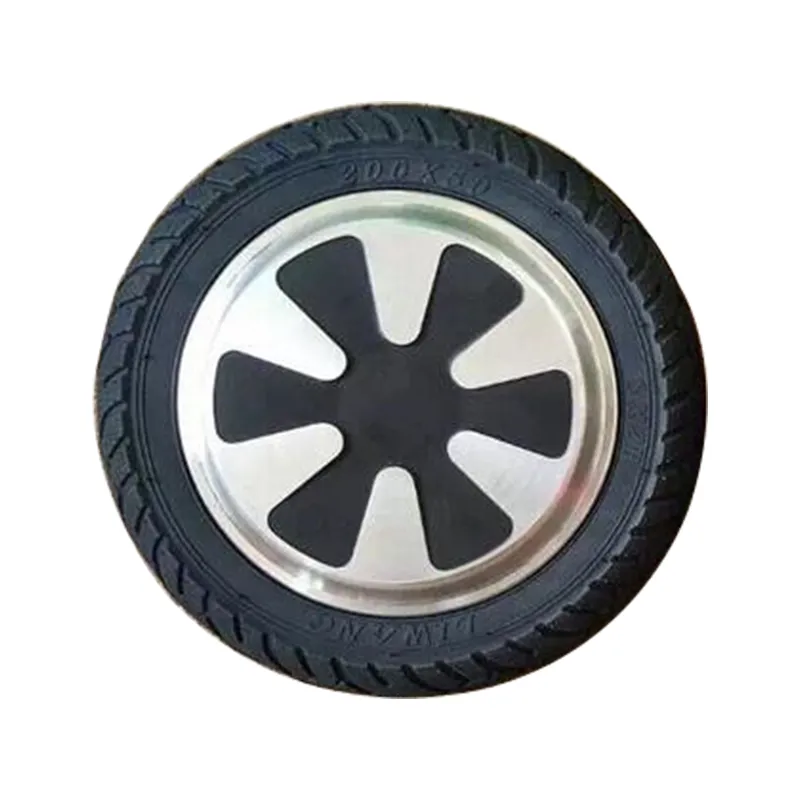
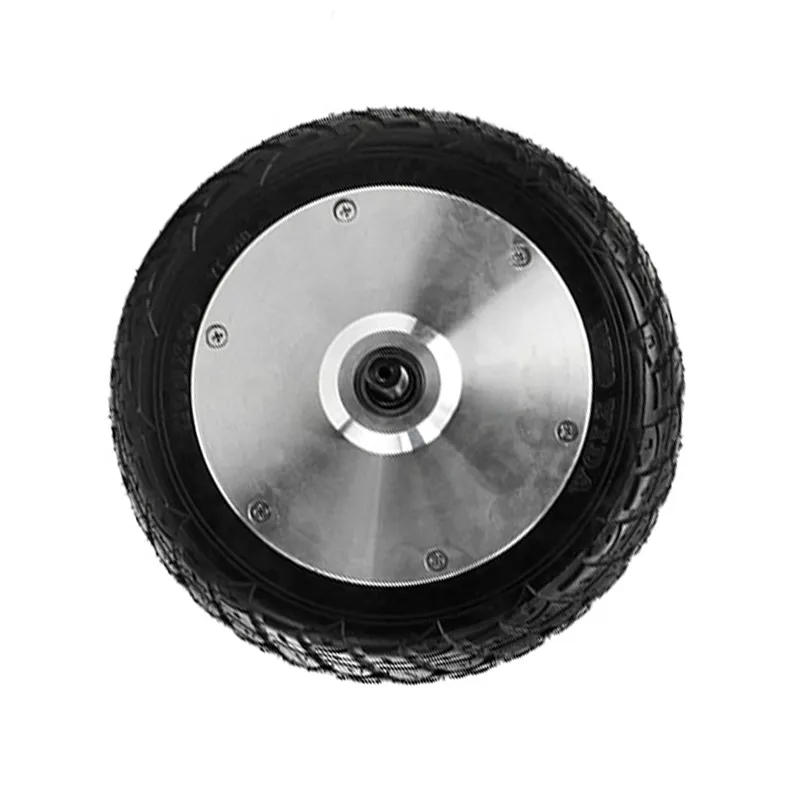
A brushless hub motor integrates the motor with the wheel structure, reducing the need for external chains, belts or gear transmission components in many compact mobile devices. However, similar-looking wheel hub motors can perform very differently when vehicle mass, terrain, duty cycle or installation geometry changes.
A meaningful hub motor selection process begins by defining how the equipment will be used. This gives engineers and purchasing teams a clearer basis for comparing motor options and identifying where a customized drive solution may be needed.
Key factors in a hub motor fit assessment
Vehicle load and starting demand
Consider the vehicle weight, payload and any rolling resistance from the surface or wheel material. Starting from rest often requires more torque than steady travel, especially for loaded carts, robots and material-handling equipment.
Target speed and wheel diameter
Wheel size directly affects travel speed and torque at the ground. The selected motor speed should be evaluated together with tire diameter, required vehicle speed and the intended operating range rather than as an isolated RPM value.
Gradeability and surface conditions
Ramps, uneven floors, outdoor paths and transitions can increase drive demand. Gradeability assessment should account for the expected slope, load condition and the traction available from the selected tire and surface.
Installation structure
Axle configuration, mounting points, wheel width, clearance and cable routing must fit the equipment structure. Installation dimensions should be reviewed before confirming a wheel hub motor configuration.
Voltage and power supply
The motor configuration needs to align with the equipment’s battery voltage and electrical architecture. This helps establish a suitable basis for motor output, controller selection and wiring interface planning.
Control and movement requirements
Forward and reverse operation, speed control, low-speed smoothness, braking requirements and the control interface all influence whether a motor and controller solution is suitable for the application.
Information to prepare before selecting a brushless hub motor
Providing consistent application information allows a motor supplier to assess fit more efficiently. The following checklist can be used for a new equipment design, an existing vehicle upgrade or an OEM/ODM development project.
| Assessment item |
Why it matters |
| Vehicle weight and payload |
Helps evaluate torque demand during starting, acceleration and loaded operation. |
| Required travel speed |
Guides the relationship between motor speed, wheel diameter and vehicle motion. |
| Wheel size and tire type |
Affects ground speed, torque delivery, clearance and traction characteristics. |
| Slope and operating surface |
Identifies additional drive demand from gradients, thresholds or uneven terrain. |
| Battery voltage and duty cycle |
Supports electrical matching and review of continuous operating conditions. |
| Mounting dimensions and axle structure |
Confirms that the motor can be integrated into the mechanical design. |
| Control requirements |
Defines controller matching needs for direction, speed, braking and system interfaces. |
Match the hub motor and controller as one drive solution
Motor suitability also depends on the controller. A controller should be selected around the required speed, torque behavior, operating voltage and intended control method. For equipment that must move smoothly at low speed, reverse frequently or operate under changing loads, motor and controller matching should be considered together.
Practical consideration: A motor that fits physically may still require a different controller configuration if the equipment needs specific acceleration behavior, reverse operation, speed regulation, braking integration or cable and connector interfaces.
Application considerations by equipment type
Electric carts and trolleys
Focus on loaded weight, frequent start-stop movement, floor conditions, wheel clearance and the duration of continuous operation. Flatbed carts and material-handling carts may also need to account for ramps and threshold crossings.
AGVs and mobile robots
Evaluate compact integration, low-speed control, directional movement, operating surface and the relationship between the wheel motor, controller and the robot’s overall control system.
Light electric vehicles
For electric karts, bumper cars, scooters or similar vehicles, assess rider and vehicle load, desired speed, acceleration feel, forward/reverse requirements, wheel structure and duty cycle.
Validate fit through prototype testing
A selection assessment provides the starting point; prototype testing helps confirm how the drive performs in the actual equipment. Test planning can reflect the application’s expected load, movement pattern and operating environment.
- Start-up and load testing to review initial movement and loaded operation.
- Forward and reverse testing where bidirectional movement is required.
- Speed control evaluation for the intended operating range and control response.
- Temperature rise observation during representative continuous running conditions.
- Noise and vibration review as part of the overall equipment integration assessment.
- Installation verification for mounting, axle structure, cable routing and controller connections.
Support for customized electric drive development
When a standard configuration does not align with the application, a custom hub motor can be developed around the required voltage, power, speed, torque, wheel diameter, tire material, axle structure, mounting dimensions, wiring interface, braking structure and environmental requirements. Controller parameters can also be considered as part of the motor and controller solution.
WINAMICS works with equipment manufacturers, engineering teams and OEM/ODM buyers from application requirement confirmation through motor design, controller matching, sample testing and batch-production planning. Sharing the vehicle load, target speed, wheel size, voltage, working environment and installation dimensions is a practical first step toward confirming hub motor fit.