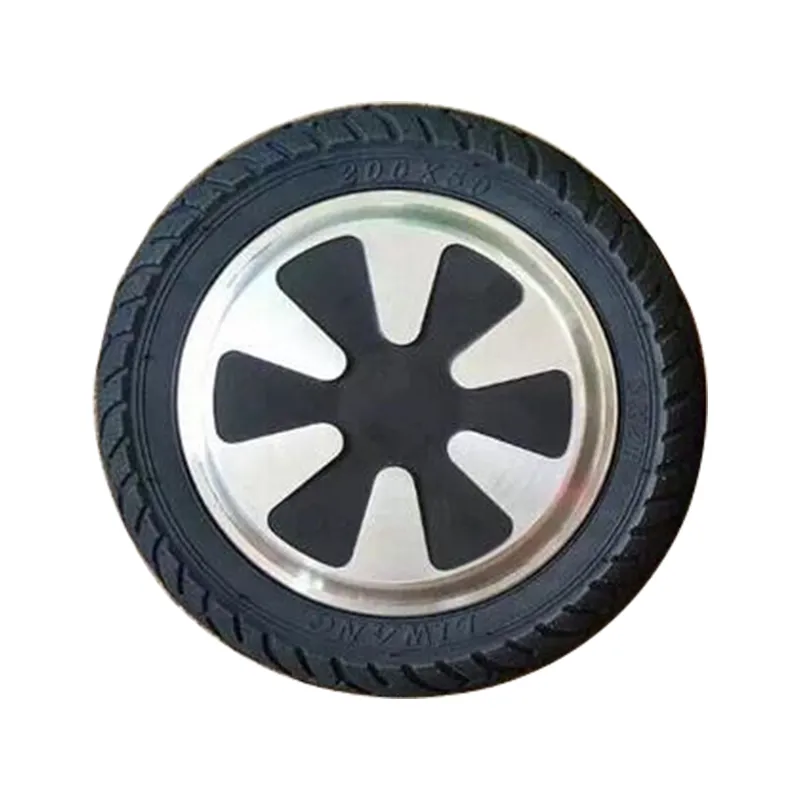
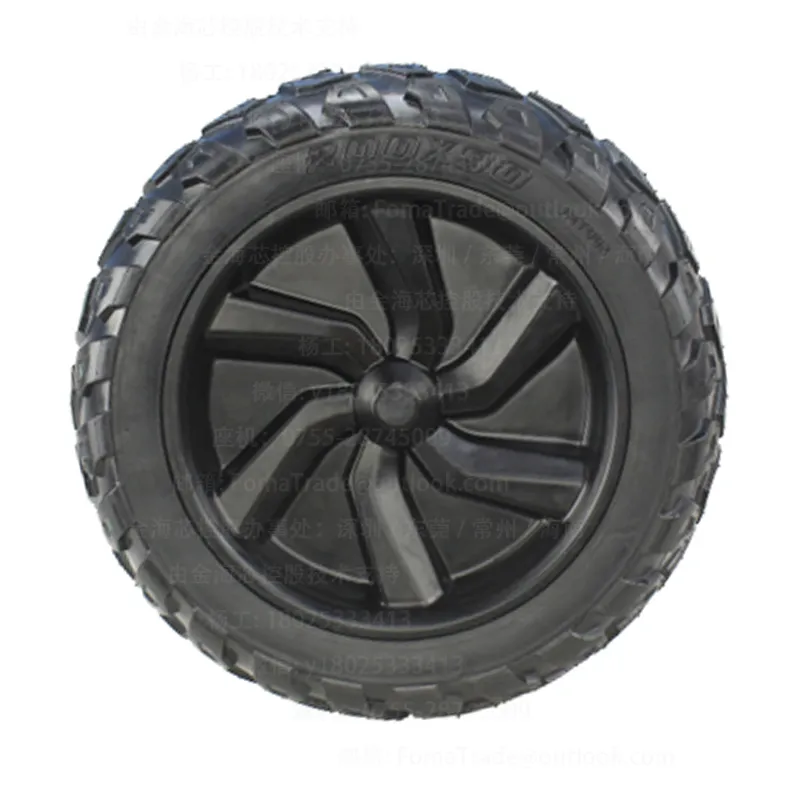
Hall sensors use the Hall effect, which means they react to a magnetic field. As the rotor magnets spin past the sensors, each sensor outputs a signal. The controller reads these signals and calculates rotor position in real time.
Sensorless motors can struggle at zero speed. Hall sensors give immediate rotor position data, so startup is faster and smoother.
For carts, wheelchairs, robots, and climbing applications, strong torque at low speed is important. Hall sensors improve low-speed control.
Because the controller knows rotor position, speed regulation is more stable under changing loads.
Hall-based commutation often reduces jerking, hesitation, and vibration.
| Feature | Hall Sensor Motor | Sensorless Motor |
|---|---|---|
| Startup | Excellent | Moderate |
| Low-Speed Torque | Strong | Lower |
| Control Accuracy | High | Medium |
| Wiring Simplicity | More Wires | Simpler |
| Best For | Mobility & heavy loads | High-speed simple systems |
Good sealing, proper cable routing, and quality components greatly improve reliability.
WINAMICS focuses on durable brushless hub motor solutions with optimized Hall sensor protection, stable controllers, and application-based customization for carts, robots, mobility devices, and light electric vehicles.
Yes, if it uses a sensorless controller. However, startup and low-speed performance may be weaker.
Many BLDC hub motors use three Hall sensors placed 120 degrees apart.
No. They are low-cost parts, but they add major performance benefits.
Tell us your voltage, wheel size, load, speed, and usage scenario. WINAMICS can recommend a complete motor, controller, and battery solution.
Contact WINAMICS hub motor
brushless hub motor
electric mobility motor
robotics drive solution
in-wheel motor
Hub motor
Brushless hub motor
High-performance hub motor
Customized motor solutions
WINAMICS
hub motor
brushless hub motor
electric mobility motor
robotics drive solution
in-wheel motor
Hub motor
Brushless hub motor
High-performance hub motor
Customized motor solutions
WINAMICS


.png?x-oss-process=image/resize,h_100,m_lfit/format,webp)
.png?x-oss-process=image/resize,h_100,m_lfit/format,webp)

.png?x-oss-process=image/resize,h_100,m_lfit/format,webp)

.png?x-oss-process=image/resize,h_800,m_lfit/format,webp)