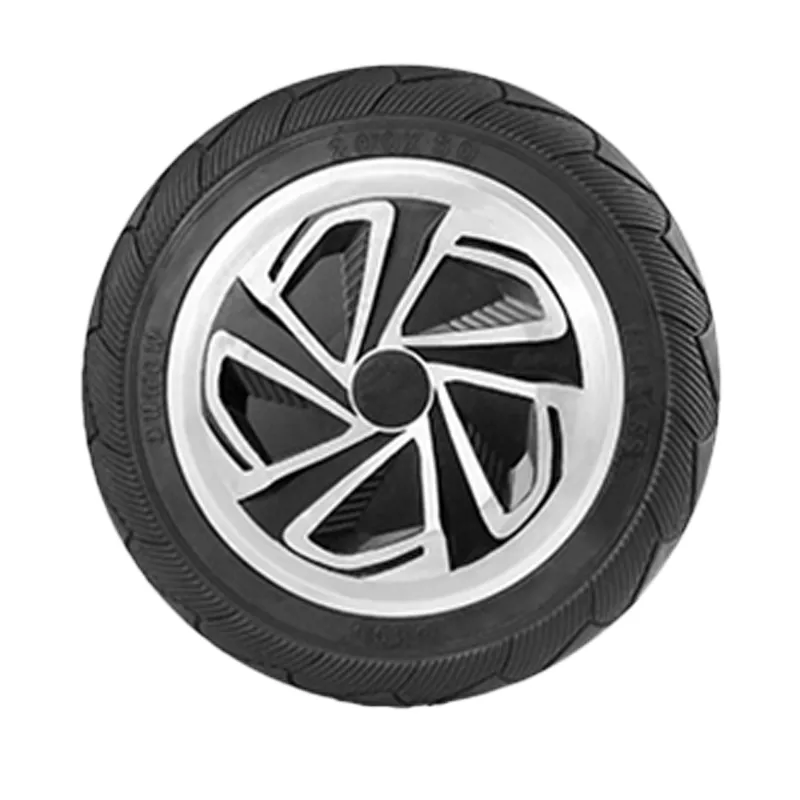
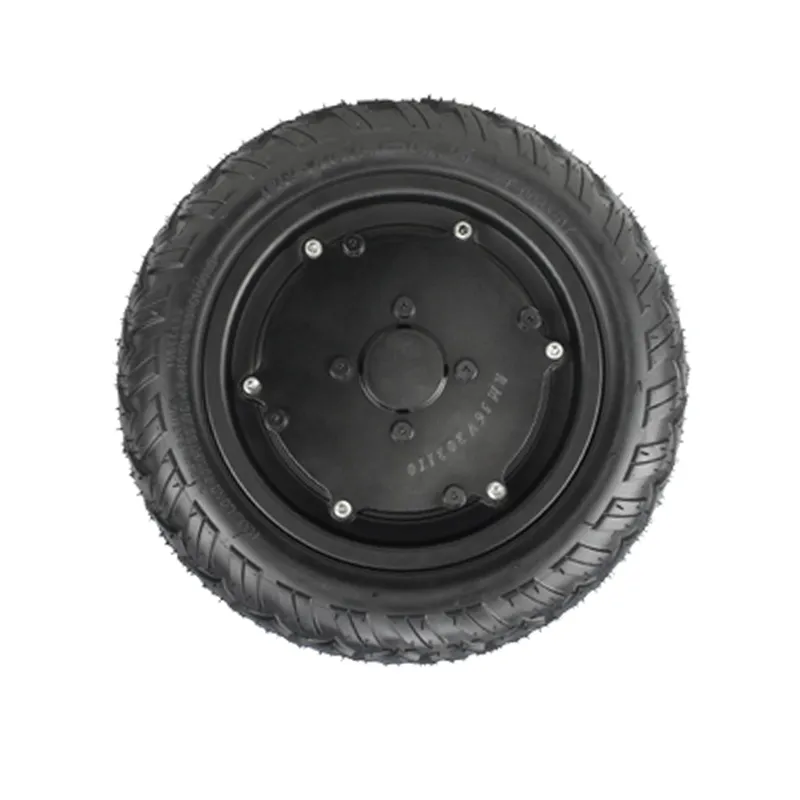
For an electric cart, trolley, dolly, flatbed cart or other material handling vehicle, hub motor selection is not simply a question of choosing the highest rated power. The motor must deliver sufficient torque to start the loaded vehicle, maintain movement on the required grade and operate within an appropriate speed range for the selected wheel diameter.
At WINAMICS, brushless hub motor and controller matching is evaluated around the actual vehicle condition: total moving load, target travel speed, climbing grade, wheel size, duty cycle, operating surface and installation layout. This approach helps equipment manufacturers define a practical electric drive solution before prototype testing and volume production.
Electric material handling equipment often needs controlled low-speed operation rather than high vehicle speed. A cart may need to move a loaded platform from a standstill, travel repeatedly over a production floor, turn in restricted spaces or climb a ramp. These operating conditions place different demands on the drive system.
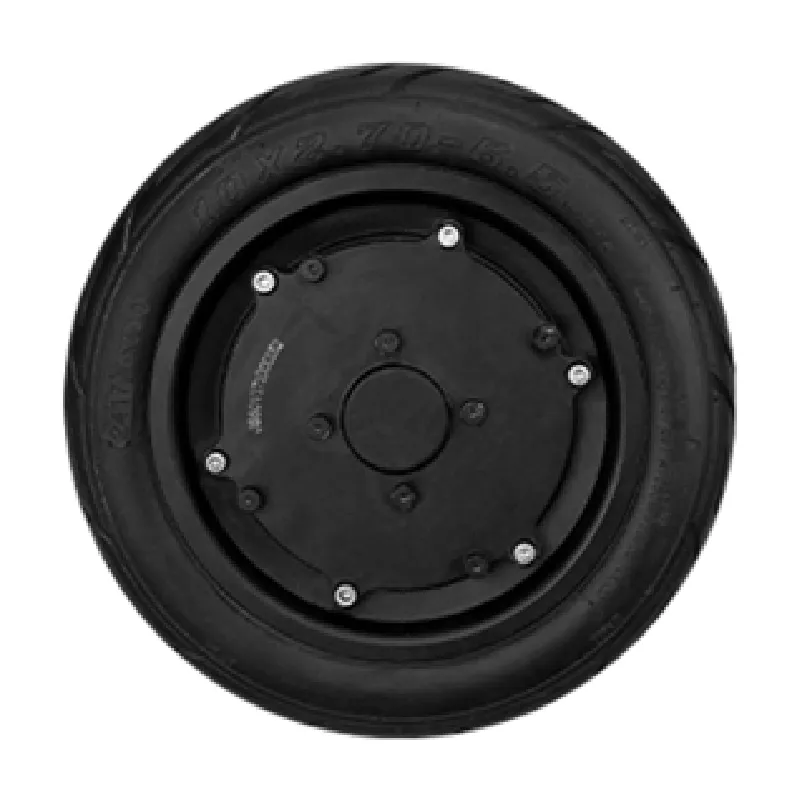
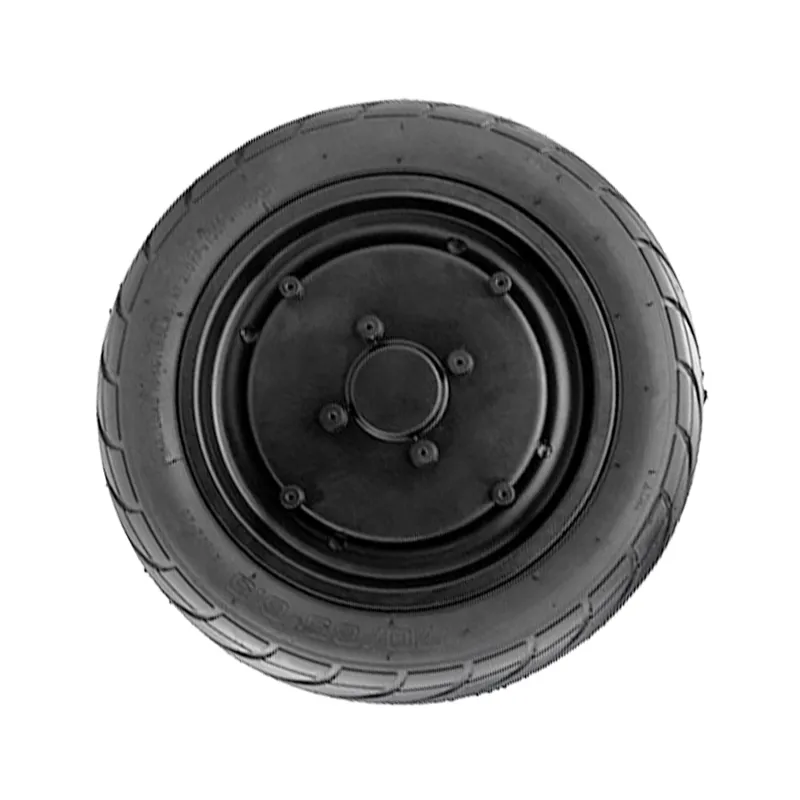
A brushless hub motor integrates the motor with the wheel structure, reducing the need for external mechanical transmission components. However, the required motor torque and motor speed must still be matched carefully. More torque supports starting and gradeability; appropriate rotational speed supports the required vehicle travel speed. The correct balance depends on the complete vehicle, not on a motor specification in isolation.
| Selection Input | Why It Matters | Information to Confirm |
|---|---|---|
| Total moving load | Determines the force required for loaded starting, acceleration and continuous travel. | Vehicle weight, payload and expected maximum operating load. |
| Target travel speed | Defines the wheel rotational speed required from the hub motor. | Loaded and unloaded speed requirements. |
| Wheel diameter | Changes both rolling leverage and the motor RPM needed for the same vehicle speed. | Wheel size, tire type and final loaded wheel diameter. |
| Climbing grade | Adds a gravity-related load that increases required drive torque. | Maximum ramp angle or grade under loaded conditions. |
| Duty cycle and surface | Influence continuous load, heat generation, traction and operating stability. | Run time, stop-start frequency, floor condition and ambient environment. |
| Drive layout | Affects how the load is distributed across one or more driven wheels. | Number of drive wheels, axle arrangement, steering method and mounting space. |
The drive wheel must generate enough tractive force to overcome the vehicle's resistance. In basic terms, the force demand may include rolling resistance, slope resistance and any required acceleration force. Once the required wheel force is identified, wheel radius is used to relate that force to wheel torque.
A heavier cart, a steeper ramp or a larger wheel can increase torque demand. For multi-wheel drive equipment, the load carried by each driven wheel also needs to be considered. Actual calculations should account for real load distribution, tire behavior, surface conditions and the intended operating margin.
Vehicle speed is directly related to wheel circumference and wheel rotational speed. With the same hub motor RPM, a larger wheel travels farther per revolution, while a smaller wheel travels less distance per revolution.
This creates an important selection trade-off. Increasing wheel diameter can support higher travel speed at a given RPM, but it also increases the torque required at the wheel for the same tractive force. The wheel, tire and motor should therefore be evaluated as one drive assembly.
A material handling cart that moves reliably on a level floor may require significantly more torque when starting on an incline. Gradeability describes the vehicle's ability to climb a specified slope. It should be assessed using the expected operating load rather than an unloaded vehicle only.
Practical selection point: The motor should be checked for loaded starting, low-speed climbing and continuous operation on the intended grade. A system that reaches the desired top speed but cannot start smoothly or sustain the required load on a ramp is not properly matched for the application.
Motor torque and speed behavior are influenced by the controller as well as the motor itself. A suitable motor and controller solution should support the application's voltage, current demand, speed control method, direction control and operating behavior.
Calculation and parameter review provide a selection basis, while prototype testing helps verify performance on the actual equipment. For material handling hub motor projects, useful evaluation items may include:
Different electric material handling vehicles can have different chassis structures, loading patterns and operating requirements. WINAMICS can support customized hub motor development around the equipment design and electric drive requirements.
For a more relevant brushless hub motor recommendation, provide the vehicle load, desired travel speed, wheel diameter, maximum climbing grade, supply voltage, operating environment and installation dimensions. These details allow WINAMICS to assess motor torque, motor speed and controller matching in relation to your actual equipment.
WINAMICS supports OEM and ODM projects with motor design coordination, controller matching, sample testing and mass production support for electric carts, trolleys, flatbed carts and specialized mobile equipment.
 WINAMICS hub motor selection brushless hub motor suitability electric drive application assessment hub motor controller matching
Shenzhen Jinhaixin Holdings custom brushless hub motor brushless hub motor parameters hub motor development process hub motor compatibility and operating conditions
WINAMICS hub motor selection hub motor fitment assessment electric vehicle motor matching hub motor controller matching
Shenzhen Jinhaixin Holdings custom selection low-voltage three-electric system sample validation B2B procurement
hub motor brushless hub motor electric mobility motor robotics drive solution in-wheel motor