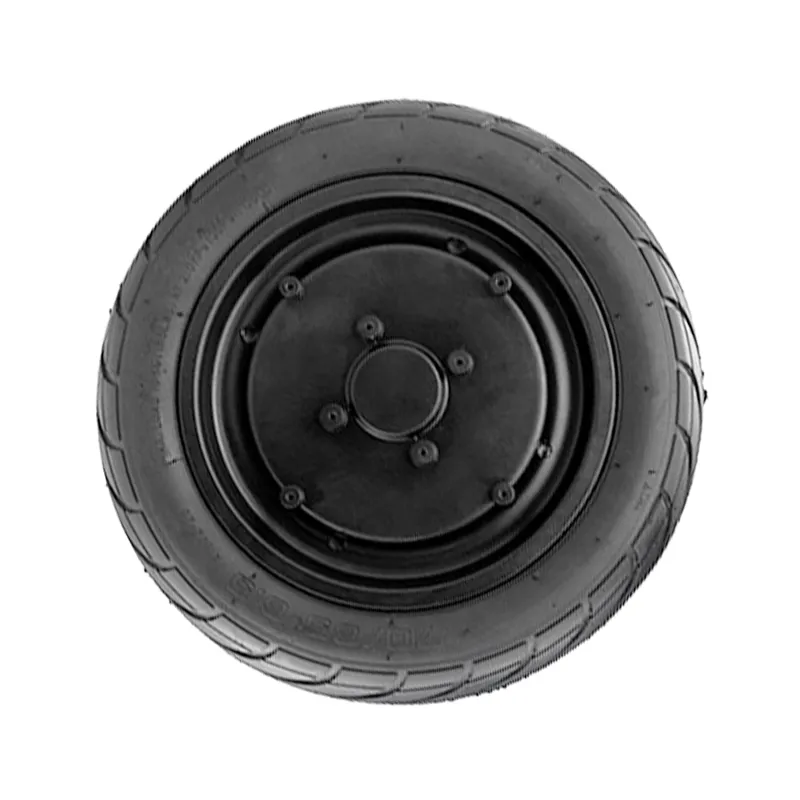
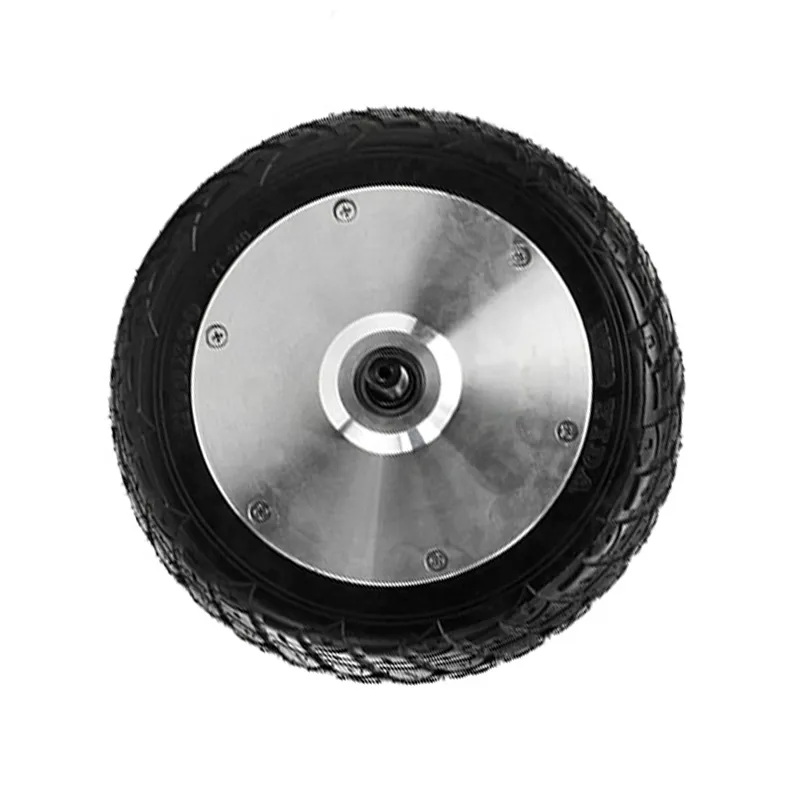
Custom brushless hub motor development begins with a clear definition of the vehicle or equipment application. Rather than selecting a motor by rated power alone, B2B projects should evaluate torque demand, installation space, electrical interfaces, operating conditions, and expected reliability as connected design inputs.
Shenzhen Jinhaixin Holdings Co., Ltd. supports customers seeking brushless hub motor solutions for low-voltage electric drive systems. A well-defined parameter set helps align the motor concept with the intended application and creates a practical basis for subsequent controller, battery pack, and mechanical integration discussions.
A brushless hub motor is integrated directly into a wheel or wheel-end structure, so its performance is closely linked to the vehicle load, wheel size, transmission-free drive layout, electrical system, and daily operating environment. Changes to one requirement may affect several others. For example, a larger wheel diameter can change the torque required at the ground, while a limited installation envelope can influence motor geometry and heat dissipation conditions.
Early technical alignment reduces uncertainty during custom brushless hub motor development. It allows project teams to establish realistic priorities between starting capability, speed range, package dimensions, system compatibility, and durability expectations before moving into detailed design or validation stages.
| Parameter area | Information to clarify for development |
|---|---|
| Application and load | Vehicle or equipment type, total load, wheel position, duty cycle, gradients, rolling resistance, and intended use conditions. |
| Power and speed | Target rated power, desired speed range, wheel diameter, speed limit requirements, and expected continuous versus intermittent operation. |
| Torque requirement | Starting torque, climbing demand, acceleration expectations, load changes, and the operating points at which torque is most important. |
| Mechanical dimensions | Wheel size, axle configuration, dropout or mounting dimensions, brake interface, cable routing, and available space around the motor. |
| Electrical compatibility | Battery system voltage, controller operating range, current capability, wiring interfaces, sensor requirements, and communication needs where applicable. |
| Operating environment | Ambient temperature, moisture, dust, road or ground conditions, vibration exposure, storage conditions, and frequency of use. |
| Reliability expectations | Expected service scenario, maintenance access, consistency requirements, quality documentation needs, and application-specific validation priorities. |
Rated power is an important reference, but it does not independently describe whether a hub motor will meet the application need. Vehicle mass, wheel radius, gradeability, acceleration demand, and operating duration influence the torque and thermal requirements that should be considered alongside power.
Custom hub motor dimensions should be assessed with the complete wheel-end assembly in mind. Mounting structure, axle profile, brake configuration, rim relationship, and cable exit direction can all affect installation feasibility and serviceability.
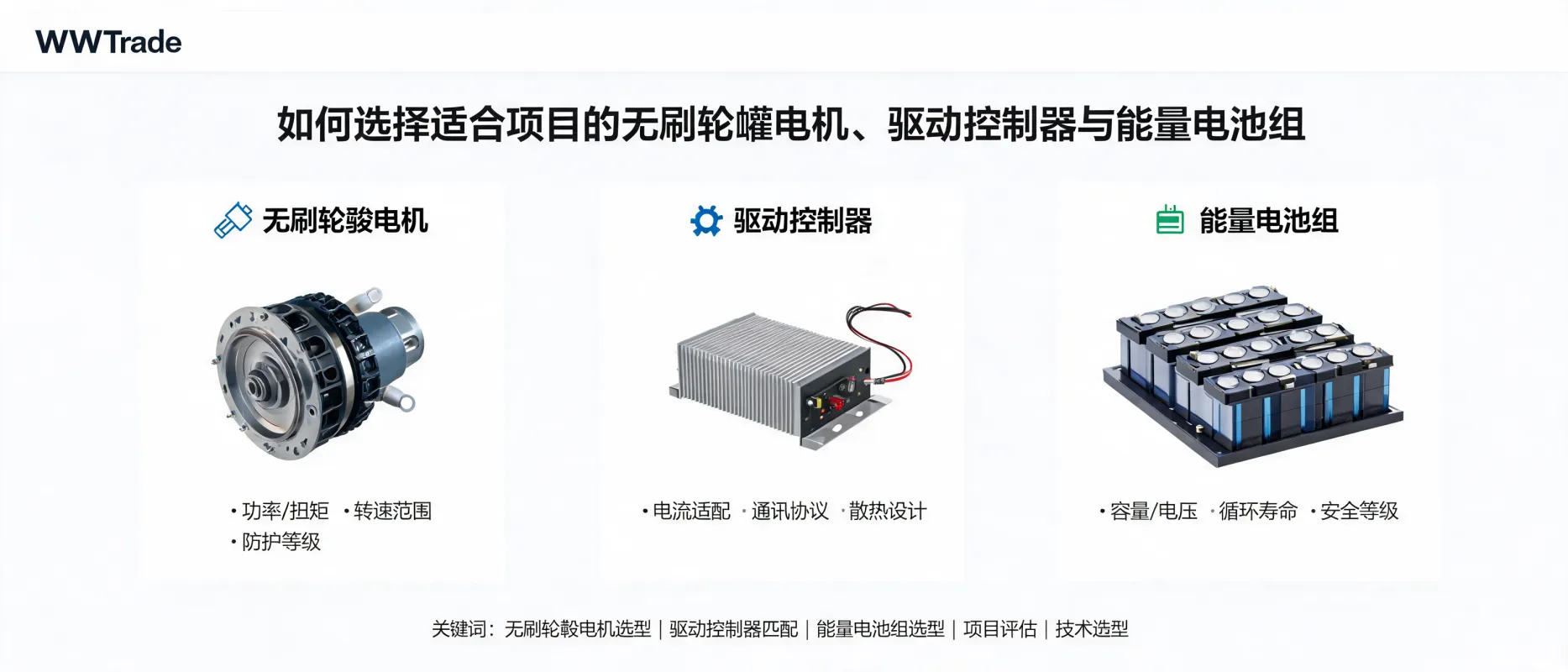
A brushless hub motor operates as part of a low-voltage three-electric system. The motor, drive controller, and energy battery pack should therefore be considered as an integrated solution rather than as isolated components. Voltage level, current limits, control strategy, connector selection, wiring layout, and protection logic should be reviewed together.
Integration focus: The selected controller should be compatible with the motor’s electrical characteristics and sensor arrangement, while the battery pack should support the relevant voltage and current demands for the intended operating profile. Clear interface information helps avoid mismatches during system assembly.
For a more efficient initial review, B2B buyers and engineering teams can prepare the available information below. Not every item must be finalized at the first stage, but even preliminary details can help establish a suitable development direction.
For custom brushless hub motor development, the most useful starting point is a complete view of the intended application: power and torque requirements, installation dimensions, electrical system compatibility, operating conditions, and reliability priorities. Shenzhen Jinhaixin Holdings brings these inputs into the discussion of low-voltage drive system solutions, helping customers define a clearer technical path for their vehicle or equipment project.
 Shenzhen Jinhaixin Holdings parameter matching selection guide system compatibility low-voltage three-electric system
Jinhaixin Holdings low-voltage three-electric system matching motor controller battery compatibility B2B system selection electric powertrain stability
Shenzhen Jinhaixin Holdings Co., Ltd system collaborative design interface matching brushless hub motor drive controller energy battery pack
Shenzhen Jinhaixin Holdings camper motor installation dual-threaded axle structure 115mm pitch camper trailer parts
Shenzhen Jinhaixin Holdings Co., Ltd brushless hub motor brushless hub motor vs traditional motor hub motor structure brushless hub motor applications
Shenzhen Jinhaixin Holdings parameter matching selection guide system compatibility low-voltage three-electric system
Jinhaixin Holdings low-voltage three-electric system matching motor controller battery compatibility B2B system selection electric powertrain stability
Shenzhen Jinhaixin Holdings Co., Ltd system collaborative design interface matching brushless hub motor drive controller energy battery pack
Shenzhen Jinhaixin Holdings camper motor installation dual-threaded axle structure 115mm pitch camper trailer parts
Shenzhen Jinhaixin Holdings Co., Ltd brushless hub motor brushless hub motor vs traditional motor hub motor structure brushless hub motor applications




.png?x-oss-process=image/resize,h_100,m_lfit/format,webp)
.png?x-oss-process=image/resize,h_100,m_lfit/format,webp)

.png?x-oss-process=image/resize,h_100,m_lfit/format,webp)



.png?x-oss-process=image/resize,h_800,m_lfit/format,webp)