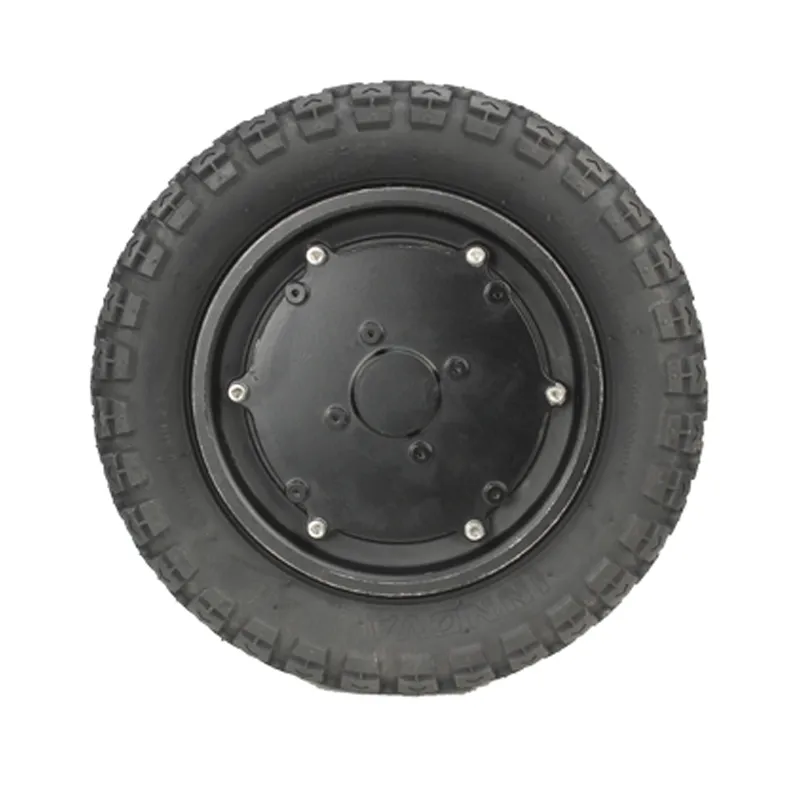
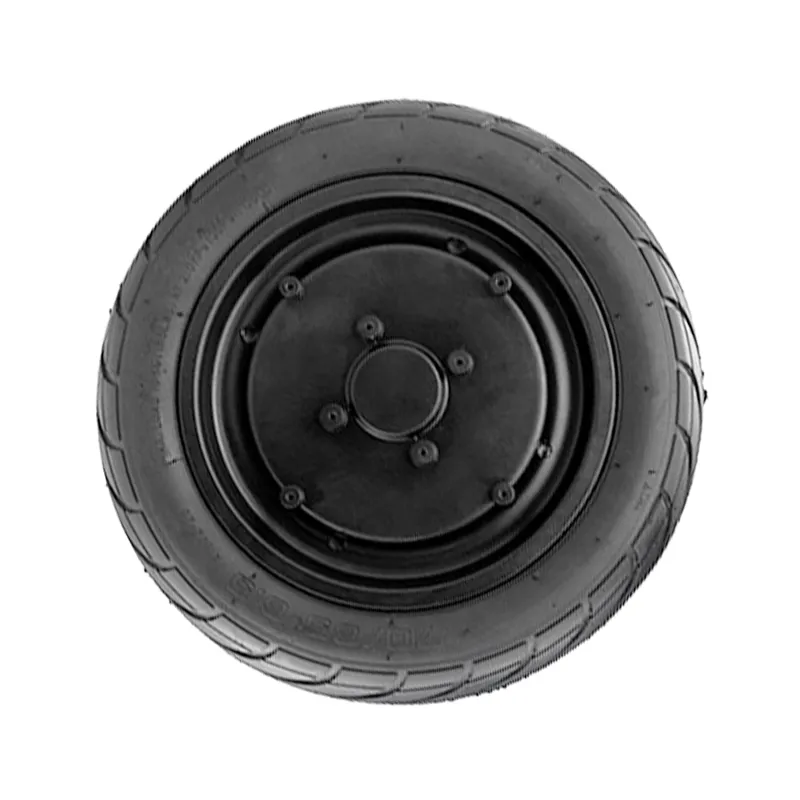
Electric drive systems can be configured in different ways depending on vehicle architecture, installation space, control requirements, and intended operating conditions. A brushless hub motor places the motor within the wheel hub, while a conventional motor arrangement typically uses a separately mounted motor and transfers torque through external drivetrain components.
For low-voltage electric drive applications, understanding the structural and operational differences between these approaches helps engineering teams select a solution that fits the complete system rather than evaluating the motor in isolation.
A brushless hub motor is an electric motor integrated directly into a wheel hub. It generates wheel torque at the point of installation and uses electronic commutation, managed by a compatible drive controller, instead of mechanical brushes and a commutator.
In a low-voltage three-electric system, the hub motor works together with the drive controller and energy battery pack. The controller regulates motor operation based on electrical inputs and system commands, while the battery pack supplies the energy required by the drive system. This coordinated configuration is relevant to compact electric mobility platforms and other applications where integrated wheel drive is appropriate.
| Comparison Area | Brushless Hub Motor | Traditional Motor Arrangement |
|---|---|---|
| Motor location | Integrated into the wheel hub. | Mounted separately from the wheel or driven component. |
| Torque transmission | Delivers torque directly at the wheel location. | Usually relies on one or more mechanical transmission elements between motor and wheel. |
| Commutation method | Electronic commutation through a drive controller. | May use brushes in brushed motor designs or electronic control in brushless central-drive designs. |
| System integration | Can simplify the wheel-drive layout by combining propulsion and hub assembly. | Requires space and alignment planning for the motor and drivetrain components. |
| Routine maintenance focus | No brush replacement is required in the motor; service considerations remain for the full wheel and electrical system. | Maintenance requirements depend on the motor type and the associated transmission components. |
| Design consideration | Wheel loading, sealing, cabling, controller matching, and vehicle integration should be evaluated together. | Motor mounting, gearing or transmission layout, and mechanical routing are key considerations. |
Because the motor is located at the wheel, a brushless hub motor can reduce the need for a separate motor mounting position and certain external transmission parts. This may support more compact packaging in designs where wheel-integrated propulsion is suitable.
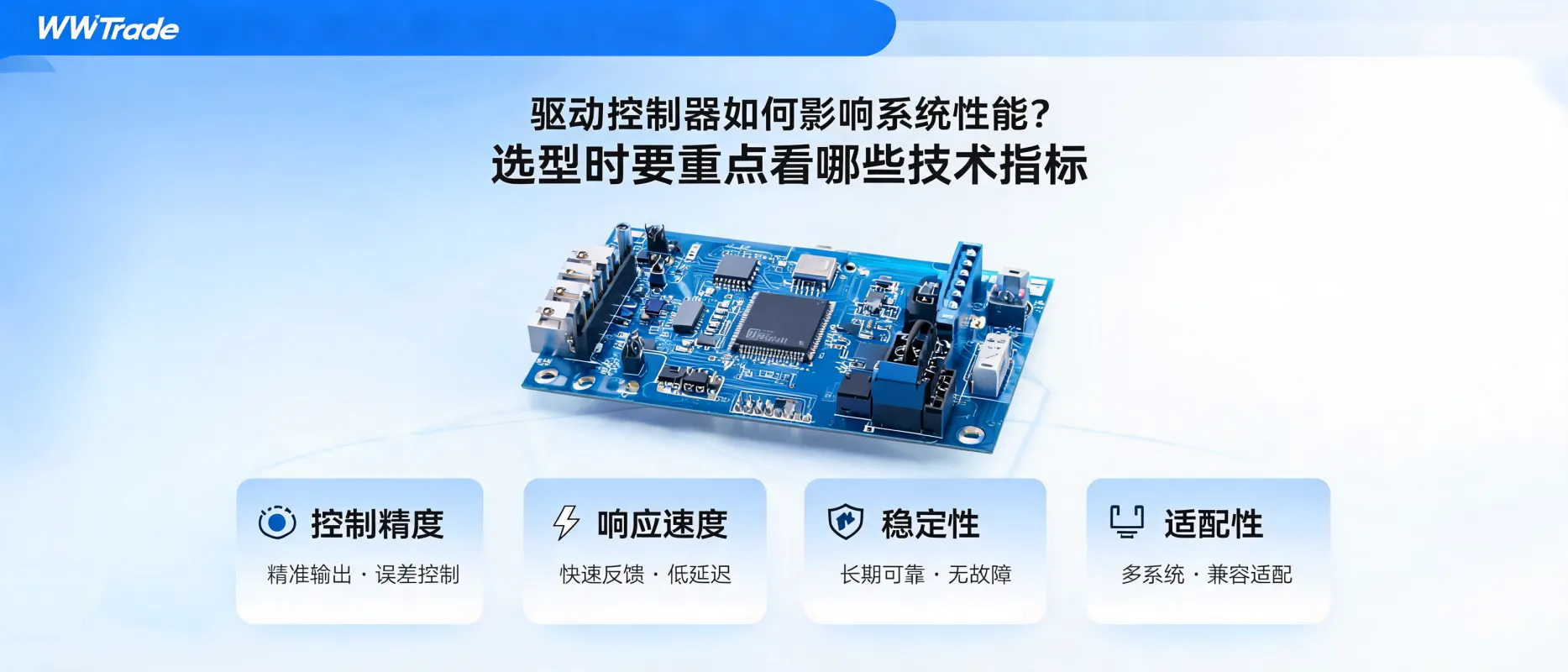
Brushless hub motors require an appropriately matched controller. Motor voltage, power requirements, control logic, wiring configuration, battery characteristics, and application load conditions should be considered as part of the same low-voltage drive system.
A hub motor is not automatically the preferred choice for every platform. Wheel size, target speed range, load profile, terrain, thermal conditions, chassis arrangement, and service expectations all influence whether a hub-drive or separately mounted motor configuration is more appropriate.
Efficiency is determined by the complete drive system, not by motor placement alone. Motor design, controller calibration, battery condition, electrical connections, vehicle load, rolling resistance, operating speed, and environmental conditions can all affect actual energy use.
Compared with brushed motor designs, brushless hub motors do not use brushes for commutation. This removes brush wear as a routine motor service item. However, reliable operation still depends on proper installation and inspection of the wheel assembly, connectors, cables, controller, battery system, and protective measures suited to the application environment.
Brushless hub motors are commonly considered for low-voltage electric drive applications that benefit from a compact, wheel-integrated layout. The final selection should be based on defined operating requirements and system compatibility.
Shenzhen Jinhaixin Holdings Co., Ltd focuses on the design, development, customization, production, and supply of low-voltage three-electric system products, including brushless hub motors, drive controllers, and energy battery packs.
For B2B projects, the company can support product selection and customized system discussion around practical application requirements. A clear understanding of the motor, controller, battery pack, and vehicle or equipment interface helps establish a more suitable integrated drive solution.
 Shenzhen Jinhaixin Holdings
camper motor installation
dual-threaded axle structure
115mm pitch
camper trailer parts
Shenzhen Jinhaixin Holdings
low-speed motor
Hall sensor
precision speed control
speed feedback
Shenzhen Jinhaixin Holdings
brushless hub motor
selection evaluation
load conditions
control response
lawnmower hub motor
IP65 waterproof lawnmower motor
Short shaft motor
Shenzhen Jinhaixin Holdings
industrial motor selection
motor size matching
space-constrained motor solution
motor power and space relationship
Shenzhen Jinhaixin Holdings
camper motor installation
dual-threaded axle structure
115mm pitch
camper trailer parts
Shenzhen Jinhaixin Holdings
low-speed motor
Hall sensor
precision speed control
speed feedback
Shenzhen Jinhaixin Holdings
brushless hub motor
selection evaluation
load conditions
control response
lawnmower hub motor
IP65 waterproof lawnmower motor
Short shaft motor
Shenzhen Jinhaixin Holdings
industrial motor selection
motor size matching
space-constrained motor solution
motor power and space relationship



.png?x-oss-process=image/resize,h_100,m_lfit/format,webp)
.png?x-oss-process=image/resize,h_100,m_lfit/format,webp)

.png?x-oss-process=image/resize,h_100,m_lfit/format,webp)