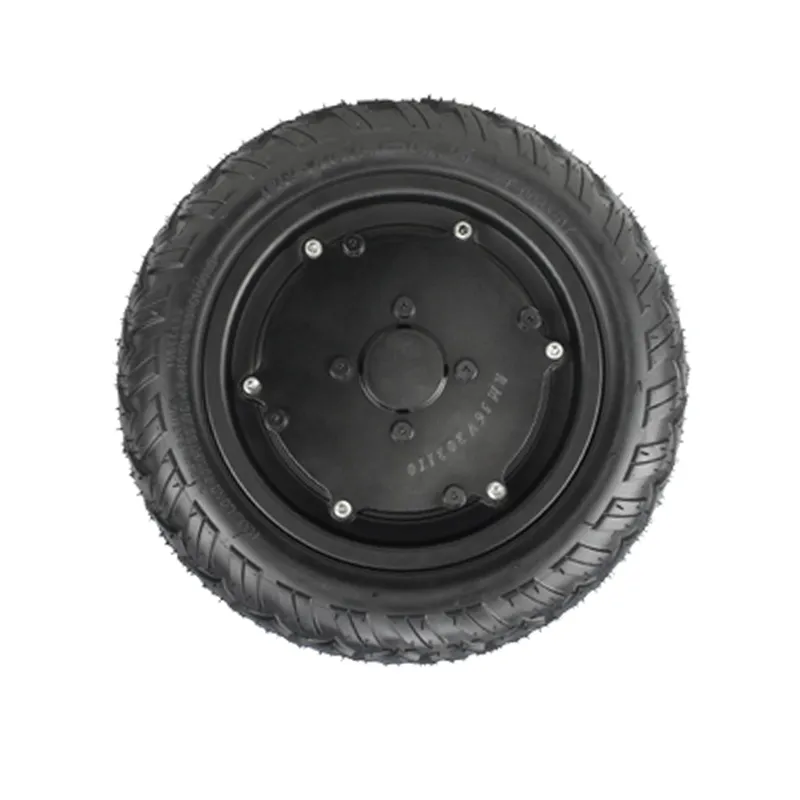
If you are comparing brushless hub motors for a vehicle, a larger motor is not automatically faster or better at climbing hills—even when the candidates have similar voltage and rated power. Motor diameter can influence torque potential, but acceleration, road speed and climbing performance also depend on winding design, controller current, tire diameter, vehicle load and heat dissipation.
The practical answer is to compare each motor at the speeds and loads your vehicle will actually encounter, then check whether its controller and thermal limits allow it to sustain the required performance.
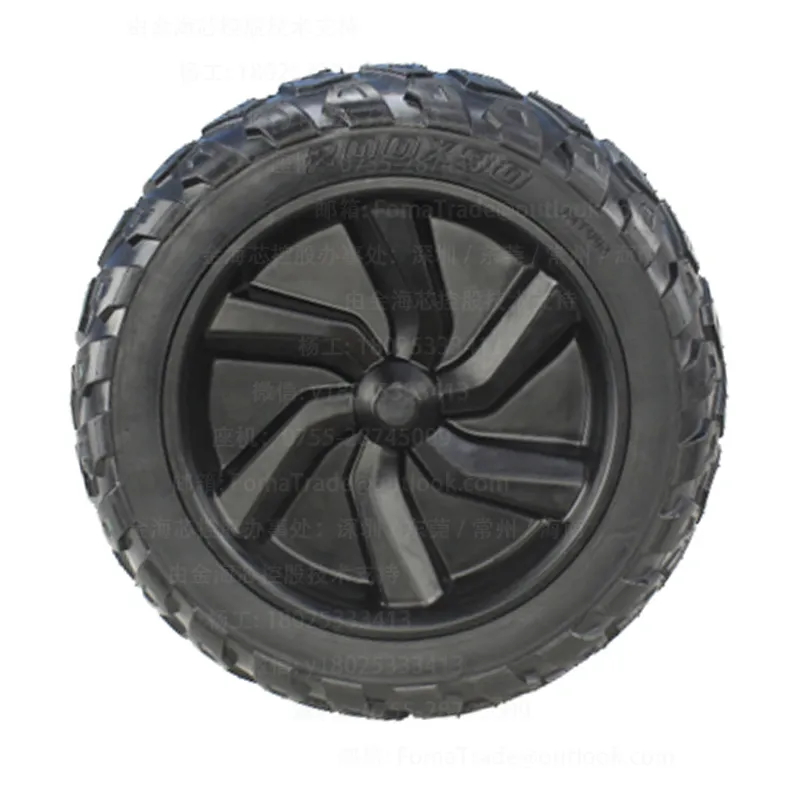
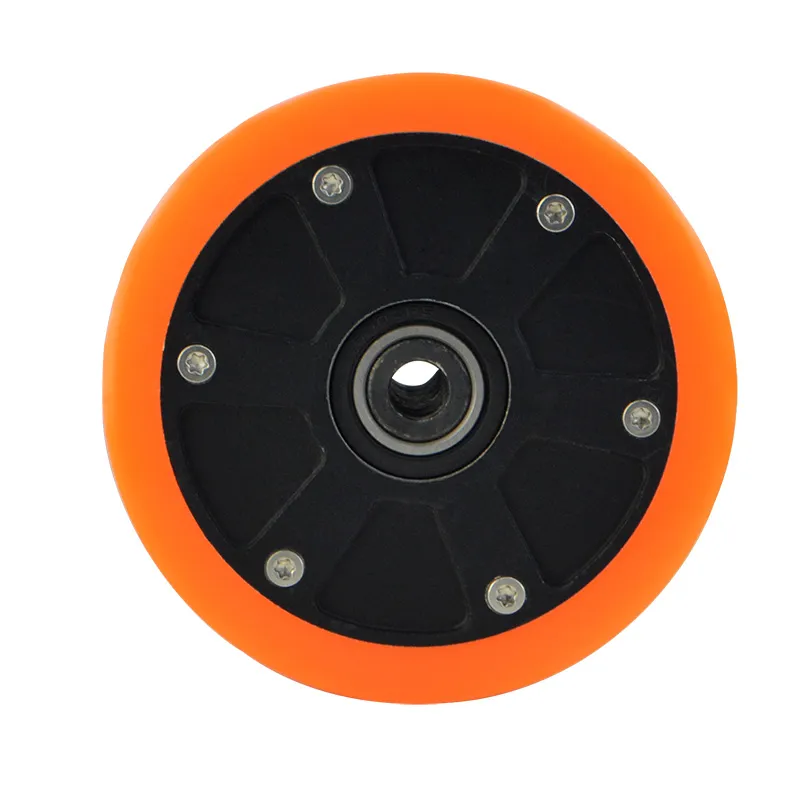
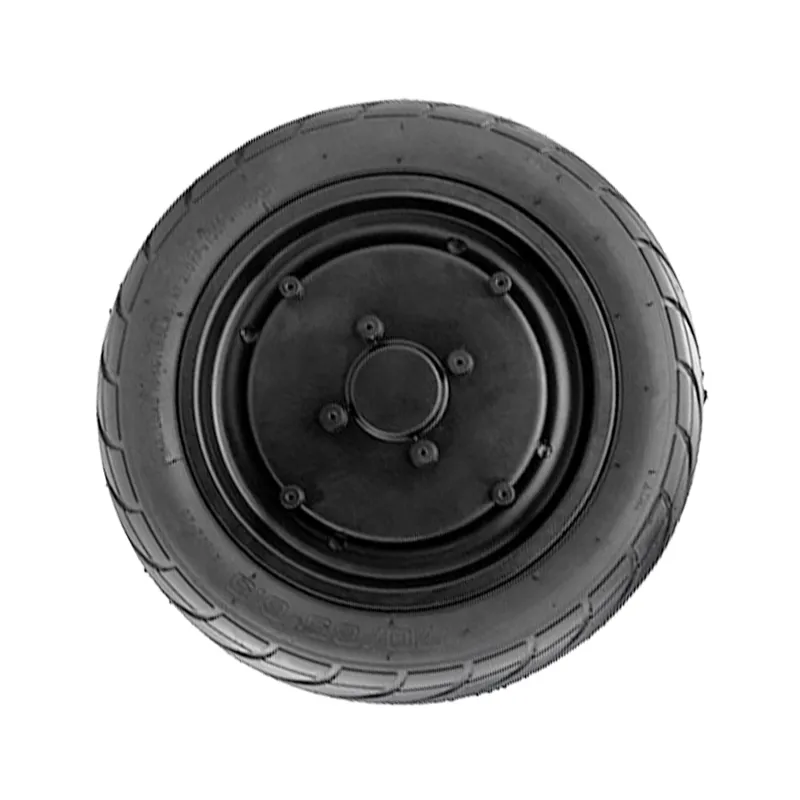
A brushless hub motor places the motor within the wheel assembly and drives the wheel directly. Its physical size can affect the space available for magnetic components and heat dissipation. In some designs, a larger effective magnetic radius helps produce more torque. That is a design opportunity, not a performance guarantee.
Two motors with different outside diameters may use different windings, magnets and internal constructions. Likewise, two motors with the same rated power may deliver that power at different combinations of torque and rotational speed. Physical dimensions are therefore useful for fitment, but insufficient for predicting how the vehicle will drive.
Start with the vehicle requirement rather than a preferred motor diameter. Define the loaded vehicle weight, tire outside diameter, target road speed, desired acceleration, steepest expected gradient and how long the vehicle must operate under demanding conditions.
For a direct-drive hub motor, required wheel torque rises as tire radius or required road force increases. This is why a motor that performs adequately with one tire and load may not meet the same climbing target on another vehicle.
Shortlist motors that fit the vehicle, then compare them using the same tire size, supply conditions and controller assumptions. Select the motor–controller combination that meets the required starting torque, operating speed and expected continuous load—not simply the combination with the largest housing or highest peak figure.
Before finalizing the design, validate it on a representative vehicle or test setup. Measure acceleration, speed, current draw and motor and controller temperatures under the expected load. Include hill starts and sustained climbs where those conditions are part of normal use. If a candidate meets the speed target but overheats on the required climb, the selection needs to be revisited.
WINAMICS can work from your vehicle requirements—including load, tire diameter, target speed, voltage and installation constraints—to discuss brushless hub motor selection and controller matching. Where applicable, sample development and testing can help confirm whether a proposed combination performs as intended in your operating conditions. The starting point is a clear vehicle specification, not motor size in isolation.
No. A larger diameter can provide design advantages, but actual torque depends on the motor’s internal design, available controller current and operating conditions. Compare torque at the wheel speeds that matter to your vehicle.
Not necessarily. Their windings and torque–speed characteristics may differ. Tire diameter, supply voltage under load and controller limits also affect vehicle speed.
Check whether the motor–controller system can deliver the required wheel torque at the expected climbing speed, and sustain that demand for the required duration without exceeding thermal limits.
Tire radius changes the relationship between wheel torque and driving force, as well as the distance traveled per wheel revolution. The same hub motor can therefore feel different with a different tire size.
To make a hub motor comparison useful, prepare the loaded vehicle weight, tire size, target speed, acceleration expectations, maximum gradient, climb duration, supply voltage, installation dimensions and any preferred controller requirements. Existing test results are helpful if available.
Contact WINAMICS with these details to discuss suitable motor and controller options and the testing needed to verify your choice.
 Shenzhen Jinhaixin Holdings low-voltage three-electric system customization B2B implementation process sample validation mass-production introduction
WINAMICS Hub Motor Controller Matching Brushless Hub Motor Integration Motor and Controller Solution Electric Drive Wiring Interface
Shenzhen Jinhaixin Holdings camper trailer motor selection 90 mm tire width fit 100 mm dropout hub motor camper trailer hub motor
WINAMICS hub motor selection hub motor fitment assessment electric vehicle motor matching hub motor controller matching
Shenzhen Jinhaixin Holdings Co., Ltd brushless hub motor selection drive controller system compatibility customization requirements