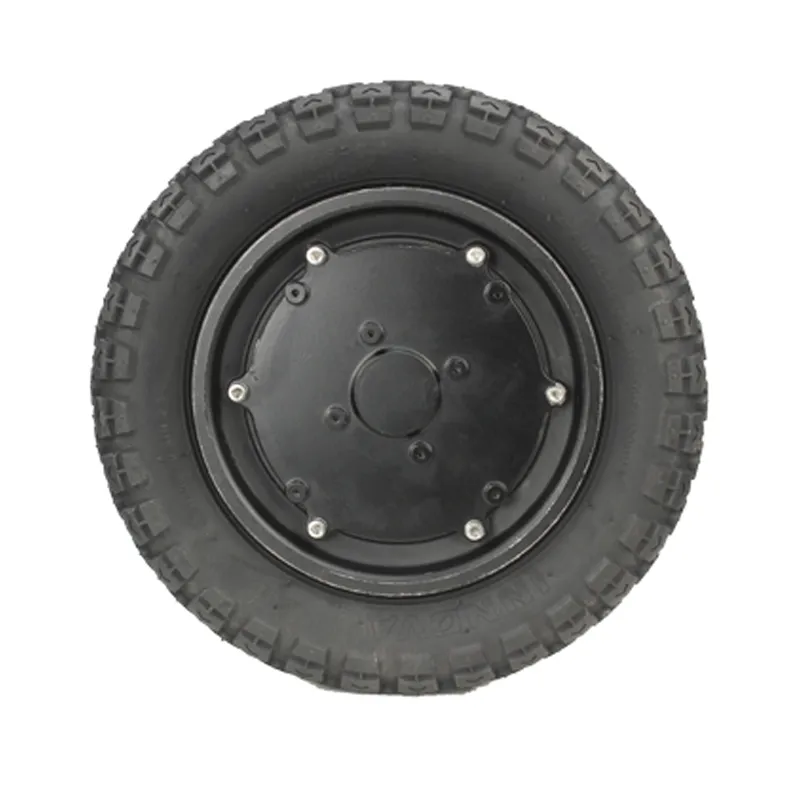
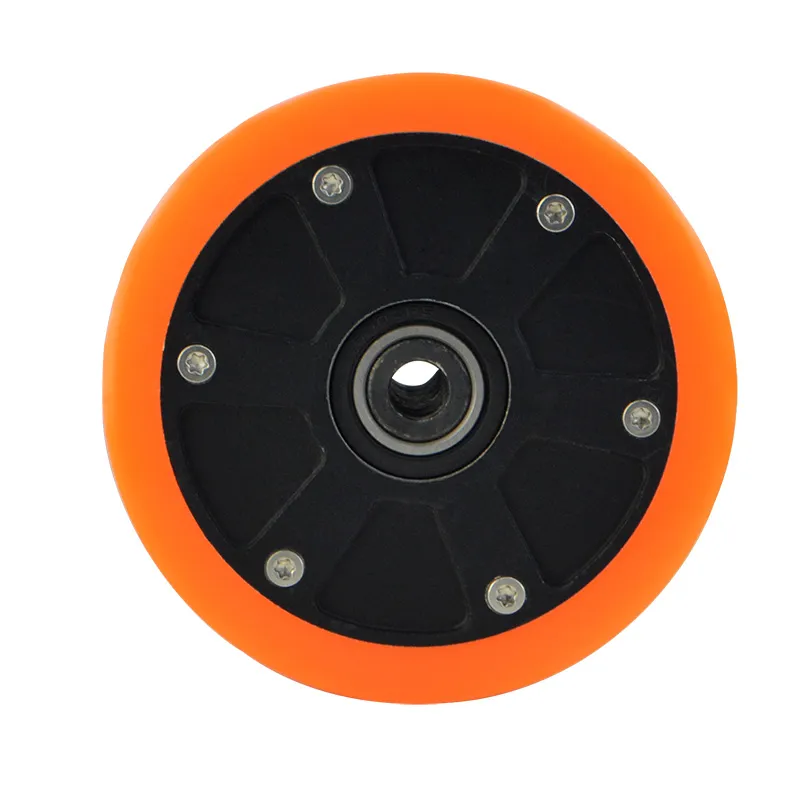
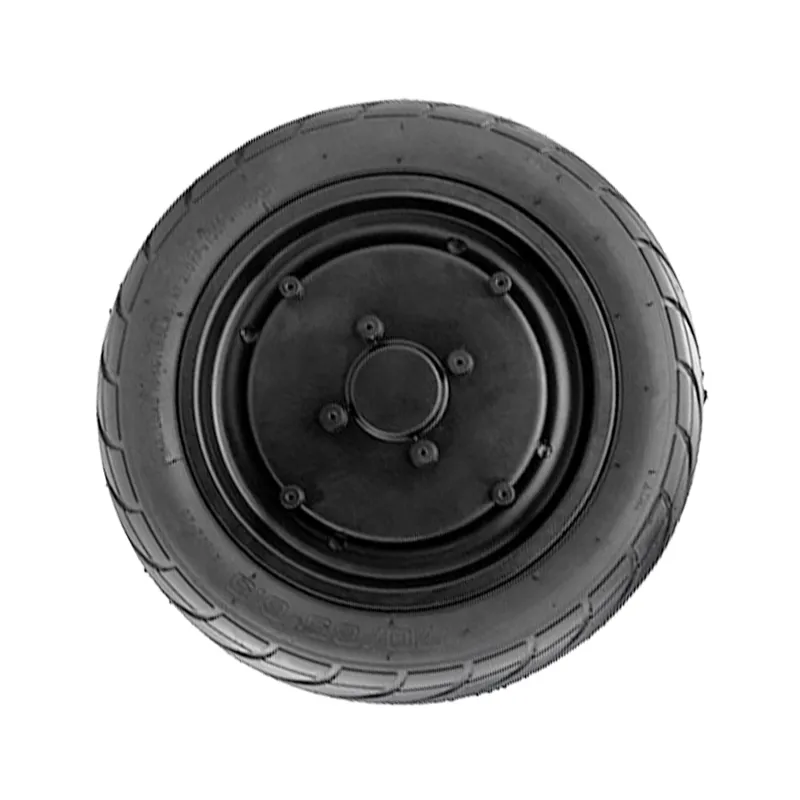
Electric Carts and Trolleys
Load changes, low-speed stability, repeated starts and forward/reverse operation are commonly important. Motor and controller matching should reflect the cart's loaded condition rather than only unloaded travel.
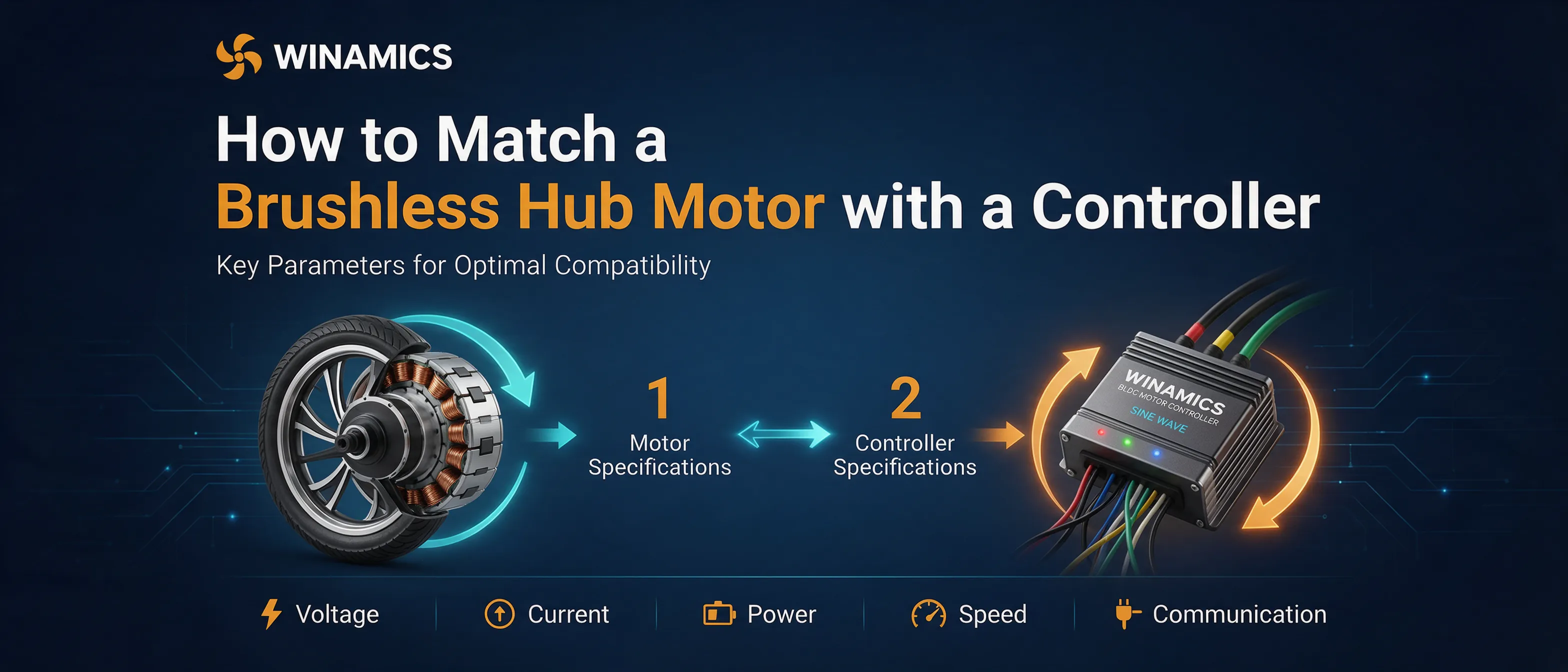
Matching a brushless hub motor with a drive controller is a system-level task. The motor, controller, vehicle load, wheel configuration and operating conditions need to be reviewed together. A controller that appears suitable based on voltage alone may not provide the required starting torque, speed range, control response or wiring compatibility for the actual equipment.
WINAMICS supports electric equipment manufacturers, engineering teams and OEM/ODM buyers with brushless hub motor selection, controller matching, prototype testing and customized electric drive solutions for mobile equipment.
A BLDC hub motor and its controller work as one drive system. The controller supplies and switches electrical power to the motor, while the motor converts that power into wheel torque and rotation. Their electrical and control characteristics must be compatible with each other and appropriate for the vehicle or equipment.
The following information provides a practical basis for hub motor controller matching. It is best to confirm these items before building a prototype or replacing an existing drive component.
| Parameter Group | What to Confirm | Why It Affects Matching |
|---|---|---|
| Motor voltage | Rated motor voltage and available battery or power supply voltage | The controller operating voltage range must suit the electrical supply and motor application requirements. |
| Power, torque and current | Motor power, required starting torque, vehicle load, slope and acceleration expectations | Controller current capability and settings influence usable wheel torque, especially during starting and loaded operation. |
| Speed requirement | Target vehicle speed, motor speed range and wheel diameter | Motor speed and wheel size together determine travel speed; the controller must support the required control range. |
| Sensor configuration | Hall sensor presence, sensor wiring, connector definition and signal arrangement | A sensored controller and motor require compatible Hall sensor signals and correct wiring identification. |
| Phase wiring | Phase wire configuration, connector type and wire gauge | Correct phase connection is essential for stable rotation direction, smooth operation and effective commutation. |
| Control functions | Throttle or speed input, forward/reverse function, braking requirement and communication needs | The control interface should align with the equipment's electrical design and intended operating method. |
| Operating conditions | Duty cycle, ambient conditions, repeated starts, load variation and installation space | Real operating conditions affect thermal behavior, protection needs and controller installation planning. |
Voltage is an important starting point for a brushless hub motor controller selection, but it does not define the complete match. A suitable motor and controller solution also considers current demand, required torque at low speed, sensor arrangement, speed-control method, wiring interfaces and the load applied to the wheel. Reviewing these factors together can help reduce repeated electrical and mechanical adjustments during prototype development.
Load changes, low-speed stability, repeated starts and forward/reverse operation are commonly important. Motor and controller matching should reflect the cart's loaded condition rather than only unloaded travel.
Acceleration response, direction control, wheel traction and repeated operation can affect drive selection. The controller interface should also fit the vehicle's existing control layout.
Controlled low-speed movement, directional consistency, system integration and continuous operation are key considerations. Interface and control requirements should be confirmed early in the design process.
As a manufacturer of brushless hub motors and customized electric drive solutions, WINAMICS can support projects from early parameter review through sample development and production planning. The scope can include:
For a more efficient evaluation of a brushless hub motor controller combination, prepare the available information below:
Equipment details: vehicle type, total load, target speed, wheel size, working environment and installation dimensions.
Existing drive details: motor label information, battery voltage, controller model or specification, wiring photographs and connector details where available.
Functional requirements: forward/reverse operation, speed control method, brake function, duty cycle, prototype quantity and expected production needs.
Whether you are updating an existing electric cart, developing a mobile robot platform, or planning a custom electric mobility product, a clear review of motor, controller and vehicle parameters can help establish a more suitable drive configuration. Share your application requirements with WINAMICS to discuss a brushless hub motor and controller solution for your equipment.
 Shenzhen Jinhaixin Holdings low-speed motor Hall sensor precision speed control speed feedback
Shenzhen Jinhaixin Holdings low-voltage three-electric system customization requirements analysis prototype validation parameter matching
Shenzhen Jinhaixin Holdings kart motor 213mm brake disc high-torque motor karting modification
Shenzhen Jinhaixin Holdings Co., Ltd brushless hub motor selection drive controller matching energy battery pack selection project evaluation
Shenzhen Jinhaixin Holdings Co., Ltd brushless hub motor brushless hub motor vs traditional motor hub motor structure brushless hub motor applications