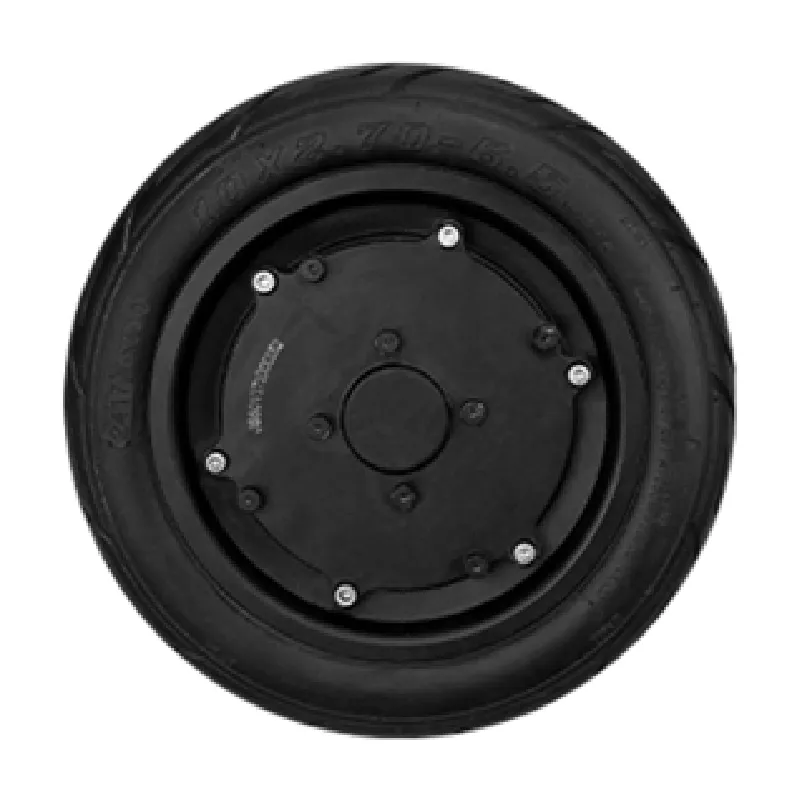
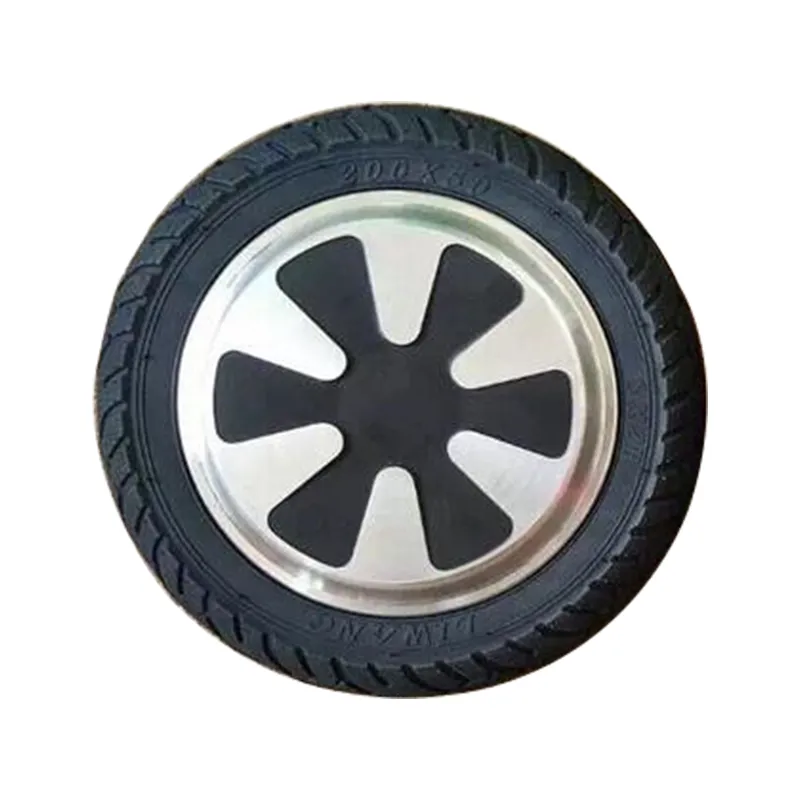
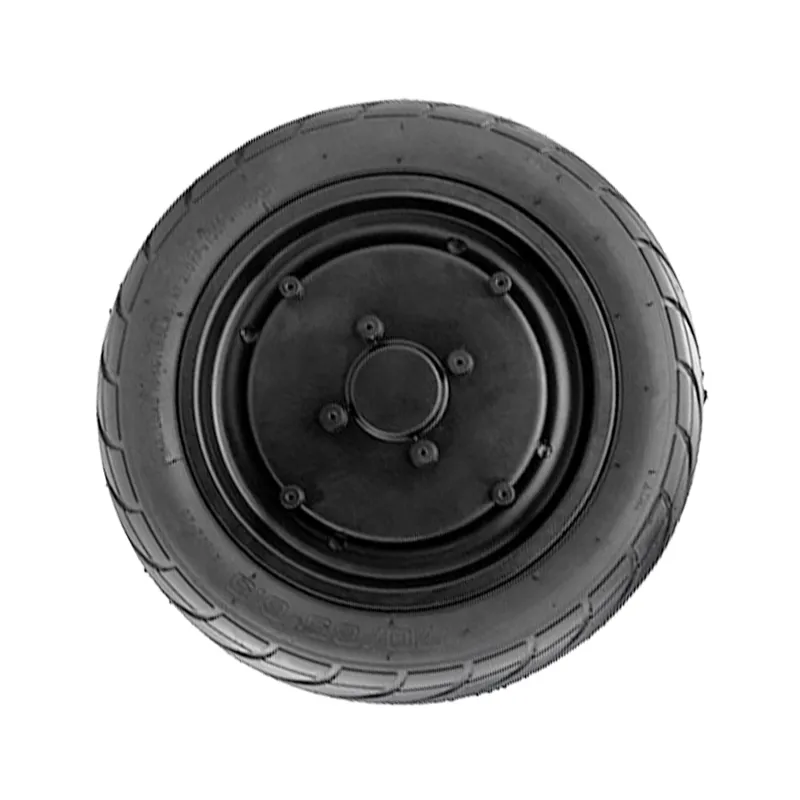
A Brushless DC Gearless Hub Motor may be suitable for equipment with frequent start-stop cycles, but suitability should be determined from the complete duty profile rather than from one motor parameter alone. Repeated acceleration, braking, short dwell periods, load variation, and ambient conditions can increase current demand and thermal stress. A practical evaluation should therefore consider the motor, controller, braking method, and driven load as one operating system.
Frequent start-stop equipment repeatedly moves from rest to operating speed and then slows down or stops. During each start, the motor must produce enough torque to overcome static load, rolling resistance, inertia, and any external resistance. The starting period can require higher current than steady running, while repeated cycles may limit the time available for heat to dissipate.
For this reason, a Brushless DC Gearless Hub Motor should not be assessed only by its Rated power or Rated rotating speed. The expected cycle frequency, acceleration requirement, payload, gradient or surface condition where applicable, and controller current settings all affect the operating result.
Compare the required starting torque with the motor’s Theoretical torque. The assessment should include the Maximum load, moving mass, wheel or hub diameter, rolling conditions, and any incline or resistance in the application.
Rated current provides a reference for normal operation, while repeated starts may create higher current demand. Controller current limits and acceleration settings should be selected to support the load without imposing unnecessary stress on the motor or power source.
Short, repeated duty cycles can build heat inside the motor system. Evaluate cycle duration, rest time, ventilation, installation space, ambient temperature, and the stated Environmental requirements before defining the operating schedule.
A high target speed is not always necessary for start-stop equipment. Check whether the specified Rated rotating speed and acceleration profile match the actual travel distance, cycle time, and process requirement.
Controller matching is central to frequent start-stop performance. The controller should match the motor’s Rated voltage, phase configuration, Hall sensing arrangement, and operating current requirements. Its acceleration, deceleration, current-limit, and protection settings should reflect the application’s real load profile.
| Item to review | Why it matters in repeated cycles | Application check |
|---|---|---|
| Rated voltage | Supports correct electrical matching between the power source, controller, and motor. | Confirm system voltage remains within the intended operating range. |
| Rated power and Rated current | Help establish the normal operating reference for the duty cycle. | Review expected running time, restart frequency, and controller current settings. |
| Theoretical torque | Indicates the torque reference used when evaluating starting and acceleration demand. | Include load inertia, surface resistance, and the required start condition. |
| Degree of phases and Number of poles | Affects electrical compatibility and controller configuration. | Verify controller support for the motor’s Hall and phase arrangement. |
| Brake mode | Deceleration behavior influences cycle time, stopping control, and system loading. | Define how the equipment should stop and confirm compatibility with the controller and load. |
In frequent start-stop equipment, thermal performance is influenced by more than motor size. High-load starts, low-speed operation, repeated braking, restricted airflow, and elevated ambient temperature can all reduce the available thermal margin. A system evaluation should define the expected work period and allowable rest period under the actual installation conditions.
Where the equipment operates outdoors, in wet areas, or in dusty environments, the required Waterproof rating and Environmental requirements should also be reviewed together with cable routing and connector protection.
Providing a clear application profile helps an engineering team assess whether a Brushless DC Gearless Hub Motor fits a frequent start-stop duty cycle. The following information creates a useful basis for technical discussion:
A Brushless DC Gearless Hub Motor can be considered for repeated start-stop equipment when its torque capability, voltage and current matching, thermal conditions, controller configuration, braking method, and maximum load align with the real duty cycle. The most reliable selection approach is to evaluate these factors together, then confirm the final motor-controller-load combination against the intended operating environment. Our technical communication can be organized around these application inputs to support a clear and appropriate hub motor assessment.
 WINAMICS hub motor selection hub motor fitment assessment electric vehicle motor matching hub motor controller matching
Shenzhen Jinhaixin Holdings brushless hub motor selection evaluation load conditions control response
lawnmower hub motor IP65 waterproof lawnmower motor Short shaft motor
Shenzhen Jinhaixin Holdings Co., Ltd system collaborative design interface matching brushless hub motor drive controller energy battery pack
Shenzhen Jinhaixin Holdings motor controller brushless hub motor control logic operating protection